You post on Monday, skip Wednesday, then scramble on Friday for a fresh concept. Across town, another faceless channel posts the same story format every night at 9 p.m., with the same opening structure and a cliffhanger viewers now expect. The second channel usually wins. It's not always more creative. It's easier to recognize, easier to follow, and easier to produce without starting from zero.
That's the gap most Viral TikTok ideas lists ignore. A good idea without a repeatable execution format gives you one video. A good idea with a fixed hook, pacing, ending, and cadence gives you a series. Each format below pairs the concept with how to run it in batches, so you can write several scripts at once, generate matching visuals, and schedule them instead of chasing inspiration daily.
The scale rewards that discipline. The DataReportal Digital 2024 Global Overview Report reported that TikTok's advertising tools indicated a potential global advertising reach of 1.56 billion users in January 2024. That's eligible ad reach, not a precise count of monthly users, but it shows why clear, universal formats travel. Suspense, transformation, humor, and practical lessons need little local context. Even seasonal experiments, such as holiday clips with ImagesArt AI, work better when they plug into a format you already run.
1. Storytime Narrative Videos
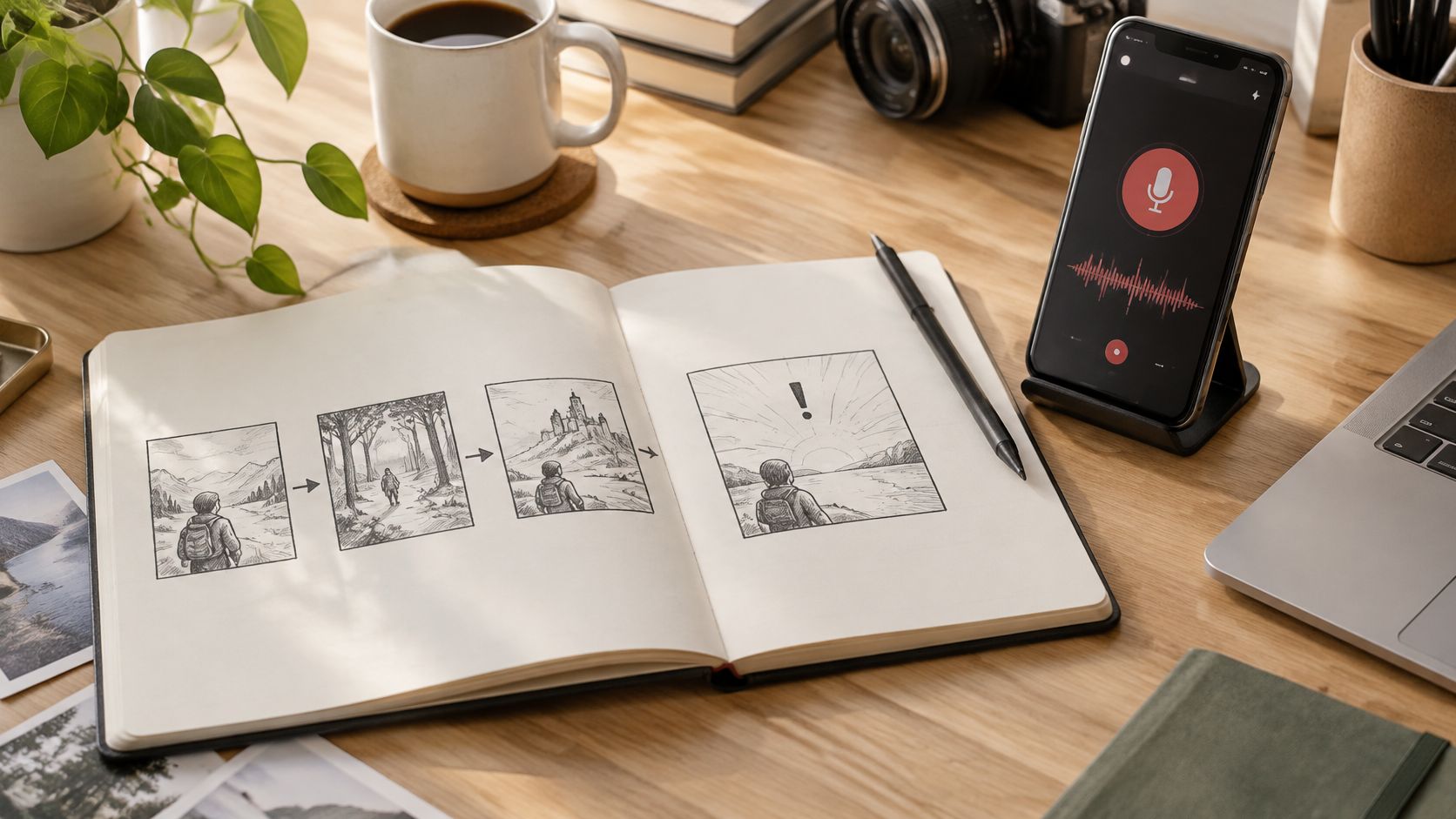
Start with the crisis, not the backstory. Say a narrator opens with, "The text said don't answer the door, but someone was already inside." Viewers get conflict in seconds, then you can rewind and explain how it happened. That structure suits first person confessions and third person mini dramas, and you never need to appear on camera because narration and story matched images do the work.
Keep the arc tight. Introduce one problem, add one complication, then pay it off or cut to part two. If you add three subplots, viewers lose the thread and completion drops.
Execution Format
- Hook in 2 to 3 seconds: Use the most dramatic line first, with subtitles on screen immediately.
- Scene pacing: Change the visual every 3 to 5 seconds so static narration doesn't feel flat.
- Ending: Close with a twist or an open question that invites a specific comment, not just "thoughts?"
- Series identity: Keep one title pattern, such as "The Night Shift, Part 4," so returning viewers spot it fast.
For batching, write five related scripts in one sitting and keep each under 90 seconds. Multi part cliffhangers work, but make every part understandable alone since many viewers won't start at episode one. These practical video storytelling examples show the same principle beyond TikTok. Post daily if you can sustain it, or three times a week with a fixed slot viewers can learn.
2. Scary Stories and Creepy Narration
A low voice, a dark hallway image, and one unsettling sound can hold attention longer than expensive effects. Scary stories work faceless because atmosphere carries the video. Say you run "Two Sentence Terror" every night. The first sentence sets a normal scene. The second makes it wrong. Viewers rewatch to catch the clue they missed.
Don't rely on gore. Graphic detail risks guideline problems and it's usually less effective than implication. A child's voice calling from an empty room creates more tension than a graphic description, and it's safer to publish.

How to Pace the Scare
- Sensory hook: Open with a sound, smell, or cold touch, such as "The tapping came from inside the wall."
- Rising beats: Add one new detail per scene and shorten sentences as tension rises.
- Final line: Leave a brief silence before the reveal, then stop. Don't explain the scare away.
- Signature sound: Reuse the same short intro tone so regulars recognize the series in the feed.
Seasonal runs before Halloween are obvious, but daily micro horror builds a stronger habit. Post at night in your audience's local time when the mood fits. If you need help structuring the scripts, this guide on how to write scary stories for short video covers hooks and endings. Batch a week of stories together so voice, image style, and sound stay consistent.
3. Bedtime and Sleep Stories
Bedtime content trades shock for habit. A parent or an adult who can't sleep doesn't want a twist every ten seconds. They want the same calm voice, the same gentle music, and a predictable ending at the same time each night. That routine is the product. One strong episode matters less than thirty reliable ones.
Say you create a recurring fox who visits a different quiet village each episode. Viewers learn the character, children ask for it by name, and you can write new adventures without reinventing the world. Recurring characters also make playlists feel like a collection instead of random uploads.
Practical rule: For sleep content, predictability is a feature. Save surprises for storytime and keep bedtime endings gentle and resolved.
Execution Format
- Hook softly: Open with a calming promise, such as "Tonight, Milo walks to the lighthouse where no one ever rushes."
- Pacing: Speak slower than normal narration and keep background music low and steady.
- Ending: Land on rest, safety, or home. Don't use a cliffhanger that keeps a child alert.
- Cadence: Post at the same evening time daily and group episodes into themed playlists.
Production is simple to batch because visuals can stay soft and slow moving. Record or generate a week of narrations with the same voice settings. This walkthrough on making a bedtime story video shows a repeatable workflow. Judge success by saves, playlist starts, and returning viewers, not just first day views.
4. Reddit-Style Story Narration
Moral dilemmas travel because viewers want to judge. A workplace confession, a family money dispute, or a revenge story gives the audience a clear job in the comments. They decide who was wrong. That debate is often more engaging than the story itself, which is why confession style narration keeps resurfacing in different niches.
The trade off is originality and rights. Don't copy popular posts word for word. Write original stories in that familiar structure, or adapt a premise so thoroughly that the script is yours. You'll avoid attribution problems and you can shape the pacing for video instead of reading a long post aloud.
A Format Viewers Can Vote On
- Question first: Put the dilemma in the opening line, such as "Am I wrong for refusing to pay for my sister's wedding?"
- Subtitles by sentence: Time captions closely so viewers can follow with the sound off.
- Background visual: Use simple split screen footage or generated scenes that don't fight the narration.
- Ending prompt: Ask for a vote with two clear options and pin the question in the comments.
Say a channel posts a three part dilemma across Monday, Wednesday, and Friday. Each part ends after a new revelation, and the caption asks viewers to pick a side before the next part drops. Batch all three scripts at once so details stay consistent. If comments turn repetitive, change the setting, not the structure. The structure is what's working.
5. Quick Educational Facts (Did You Know?)
One surprising fact, explained cleanly, is easy to save and share. The mistake is cramming five facts into thirty seconds. Viewers remember none of them. Pick one claim, show it, explain why it happens, and stop. A daily science channel can do this with a simple diagram. A history channel can do it with one image and a date on screen.
Search is where this format gets stronger. According to Hootsuite's TikTok trends coverage, 49% of consumers reportedly use TikTok to look up answers or learn about topics. Put the exact question people would type in your opening narration, on screen text, and caption. "Why do we dream in color?" will outlast a vague hook like "You won't believe this."

Execution Format
- Lead with surprise: State the strange part first, then give the short explanation.
- One visual per fact: Use a diagram or close up that proves the point at a glance.
- Verify before posting: Check every fact against a reputable source, especially health and finance claims.
- End with a question: Ask something specific that leads naturally to tomorrow's related fact.
Keep most videos between 15 and 45 seconds. Batch by theme, such as five ocean facts in one session, and build a searchable cluster instead of isolated posts. Over time, comments become your topic list.
6. 60-Second Tutorials and How-To Micro-Lessons
A tutorial earns saves when it solves one exact problem. "Fix a crooked scan in 30 seconds" beats "Phone tips you should know." Show the finished result first so viewers know the payoff is real, then walk through the steps. Say a software channel teaches one shortcut per video. Each lesson is boring in isolation, but together they become a library people search and revisit.
Test every step before you publish. A wrong menu name or a shortcut that only works on one version will fill your comments with corrections and kill trust faster than slow growth.
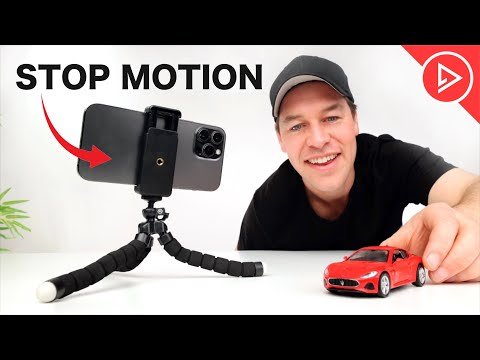
Watch how a clear, short demonstration is structured before you script your own series.
Execution Format
- Specific promise: Name the result and time frame in the first line.
- Numbered steps: Put each step in a text overlay so the lesson works without sound.
- One skill only: If a second tip appears, save it for the next video in the series.
- Repeat the result: Show the before and after again at the end to encourage replays and saves.
Post three lessons a week from one batch recording session. Group them by tool or task, such as spreadsheet fixes on weekdays. Track saves and shares separately from views. For tutorials, a smaller video with heavy saves often brings more followers than a broad video people watch once and forget.
7. Life Hack Reaction and Silent Demo Videos
Silent demos cross language barriers because the picture explains itself. Show a tangled cable problem in the first second, fix it with a simple wrap, then react with a shrug or a caption. Khaby Lame built a huge audience on that basic contrast between overcomplicated hacks and the obvious solution.
You don't need to copy his persona to use the mechanics. The format works for kitchen fixes, desk organization, packing, and cleaning. What matters is visual proof. If the hack only works from one camera angle, viewers will test it, fail, and tell everyone in your comments.
Test every hack twice before posting. A fast video that doesn't work in real life costs more trust than it earns in views.
Execution Format
- Problem first: Fill the first frame with the mess, spill, or frustration.
- Solution without narration: Use hands, close ups, and short captions any viewer can follow.
- Reaction beat: Add a gesture, zoom, or funny caption after the fix to give the clip personality.
- Short loop: Keep demos under 20 seconds when possible so replays feel natural.
This is the fastest format to batch. Film ten problems on one table with the same lighting, then edit them as separate posts. Avoid unsafe hacks involving heat, electricity, or food storage unless you've verified they're safe. Consistency beats novelty here. One clear fix a day builds a catalogue viewers send to friends, and those shares matter more than clever editing.
8. Satisfying and ASMR Visual Videos
Satisfying videos don't need a story. They need a clean first frame and a sound worth looping. Cutting kinetic sand, pouring paint, restocking a shelf, or aligning objects in a grid can hold attention because viewers wait for the pattern to complete. The payoff is sensory, not informational.
Audio quality decides whether people stay. A dull recording of a great visual still feels flat. Get the microphone close, remove background hum, and test whether the sound is crisp on a phone speaker and in headphones. Faceless AI visuals can also work if the motion is smooth and the sound design is deliberate.
Execution Format
- Striking first frame: Start mid action with strong color or symmetry, not with setup.
- Close sound: Enhance taps, slices, or pours and keep volume consistent throughout.
- Smooth loop: Match the last frame to the first where you can, so replay feels intentional.
- Consistent palette: Repeat colors and framing so your grid looks like one series.
Say a channel posts a restocking video every morning and a sand cutting loop every evening. Both use the same color palette, so viewers recognize the account before they read the name. This guide on how to make ASMR videos covers sound choices in more depth. Batch by material or sound type, then compare average watch time. Small audio changes often move retention more than new visuals do.
9. Before and After Transformation Videos
Transformation is a built in hook because viewers wait for the reveal. A messy room, a dull photo edit, a week one skill attempt, or an unfinished project creates instant curiosity. Your job is to make the starting point clear and delay the payoff just long enough to build anticipation, not frustration.
Retention data shows why pacing matters. TTSVibes retention analysis suggests roughly 70% of viewers decide whether to continue within three seconds, and videos retaining 70 to 85% of viewers at that point receive about 2.2 times more total views than lower retention videos. Show the messy before immediately and signal that the reveal is coming.

Execution Format
- Clear before: Hold the starting state for at least two seconds and label it on screen.
- Process in brief: Show two or three steps, not the full job, unless the process is the lesson.
- Timed reveal: Match the music drop or a swipe transition to the finished result.
- Useful caption: List tools or steps in the caption so the video earns saves, not just likes.
Say a design channel reveals one room corner every day for a week, then posts the full room on Sunday. That turns one project into a series. Batch the before footage first, because you can't recreate it after the work is done.
10. Listicles and Countdown Videos (Top 5 or Top 10)
Countdowns give viewers a reason to stay. Once you promise five items, people want to know what earned first place. The format suits tools, places, mistakes, facts, and story moments, and it's simple to produce without a face. Screen recordings, images, and captions can carry each entry.
Ranking creates comments because viewers disagree with your order. That's useful if you handle it well. Save the most surprising or useful item for last, and make your criteria clear enough that disagreement stays playful. Say a travel channel ranks five underrated cities by cost and walkability. Viewers will argue, but they understand the game.
TikTok's trend culture also favors formats others can copy. In TikTok's 2020 Year on TikTok review, the platform described trends as capable of starting from a single video and spreading through shared sounds, hashtags, and subjects. A repeatable countdown template works the same way inside your own channel.
Execution Format
- Start counting fast: Say the topic and show number five within the first few seconds.
- Short segments: Keep each entry under 10 seconds unless it needs a demo.
- Strong finale: Make number one the item viewers would save or share.
- Comment hook: Pin the full list and ask what you'd rank higher.
Batch countdowns by theme and reuse the same number graphics, voice, and music level. Post two or three a week so research stays accurate. A rushed list with weak picks trains viewers not to trust the next one.
How the 10 viral TikTok ideas compare by best use case, origin, and main risk
| Item | Best For | Popularized By | Main Risk |
|---|---|---|---|
| Storytime Narrative Videos | Storytellers and faceless entertainment channels | Faceless storytelling channels on TikTok and YouTube Shorts | Saturated niches and predictable plots |
| Scary Stories and Creepy Narration | Creators making recurring horror series | Faceless horror storytelling channels on TikTok and YouTube Shorts | Graphic content restrictions and copycat stories |
| Bedtime and Sleep Stories | Creators of calm bedtime tales and narrative lessons | Sleep-story and bedtime narration channels on YouTube and TikTok | Lower shareability and slower audience growth |
| Reddit-Style Story Narration | Storytellers and agencies using original scripts | Faceless story-narration channels on TikTok and YouTube Shorts | Copying content can raise attribution and copyright concerns |
| Quick Educational Facts (Did You Know?) | Educators and e-learning channels | Educational short-form channels and science communicators on TikTok and YouTube Shorts | Unverified facts can spread misinformation |
| 60-Second Tutorials and How-To Micro-Lessons | Businesses and educators creating how-to content | Productivity, software, and cooking creators on TikTok and YouTube Shorts | Instructions may be inaccurate or too complex for the format |
| Life Hack Reaction and Silent Demo Videos | Brands and marketers making silent product demos | Khaby Lame and household life-hack creators on TikTok | Unsafe or impractical hacks and quickly copied ideas |
| Satisfying and ASMR Visual Videos | Brands and creators seeking high-retention visual content | ASMR and satisfying-video creators on TikTok and YouTube | Saturation and high production-quality expectations |
| Before and After Transformation Videos | Small businesses and agencies showcasing client results | Home-renovation, fitness, and design creators on TikTok and Instagram | Requires a convincing transformation |
| Listicles and Countdown Videos (Top 5 or Top 10) | Agencies, marketers, and brands making recommendation content | Lifestyle, tech, and travel creators on TikTok and YouTube Shorts | Inaccurate claims or generic lists |
Turning Viral Ideas Into a Repeatable Posting System
Don't try all ten formats at once. Pick two or three that fit your niche, your production skills, and the time you can repeat every week. A storyteller might pair scary stories on weekdays with bedtime stories on Sunday. An educator might run did you know facts on Monday and Wednesday, then a 60 second tutorial on Friday. That mix gives viewers variety without making your channel look random.
Write the format down before you write the scripts. For each series, fix the opening line pattern, the scene length, the ending prompt, and the posting slot. When those choices are settled, batching gets simple. You write five hooks, then five middles, then five endings. You generate visuals in one style. You schedule the week in one sitting instead of negotiating with yourself every day.
The retention numbers explain why openings deserve that attention. The TikTok What's Next 2025 report coverage describes a 2025 analysis of more than 5 million short-form videos from 582,000 global accounts finding TikTok engagement increased by 35.61% year over year, reaching an average engagement rate of 8.24%, even as average reach declined by 47.19%. Narrow series with loyal viewers fit that environment better than one broad trend attempt after another.
Completion tells a similar story. Reporting in Marketing Tech News on Metricool's 2025 short-form video data covers academic analysis of 9.2 million TikTok recommendations received by 347 users, finding approximately 55% of recommended videos were not watched to completion. Build a micro arc into every post. Promise something clear in the first three seconds, develop it once, and deliver the payoff before the end. If viewers leave early, shorten the setup before you blame the topic.
A Weekly Review That Takes Twenty Minutes
- Check three second retention: Weak starts usually mean the hook is buried under branding or background.
- Check completion and rewatches: High views with low completion means the premise worked but pacing or payoff failed.
- Check saves and shares: Tutorials and facts should earn saves. Stories should earn comments and profile visits.
- Keep or retire: Give a format at least ten consistent posts, then keep what holds watch time and retire what doesn't.
Test one variable at a time. Make two openings for the same script and compare early retention. Try a shorter cut of a tutorial. Move a countdown reveal earlier. These small tests teach you more than copying a competitor's best video, because your audience and topic aren't identical to theirs. If you also publish on other platforms, a cross-platform content guide for small businesses can help you adapt the same series without rewriting it from scratch.
Automation helps once the format is proven. With ClipCreator.ai, you can connect a TikTok or YouTube account and have videos created and published automatically from a story template or custom prompt, and you can create your first video in under two minutes. Use that kind of workflow to protect consistency, not to skip judgement. Review the scripts, check the endings, and keep a human eye on topics. The system should remove repetitive production work while you keep control of what your channel stands for.
Start this week with one series and seven scripts. Choose the format you could still enjoy on episode thirty. Set the cadence you can maintain on a busy week, whether that's three posts or one per day. Publish, review, adjust the hook, and publish again. Viral moments are unpredictable, but a recognizable series gives every new video a better starting point than a blank page does.
Pick one of the formats above and turn it into your first scheduled series with ClipCreator.ai, which pairs AI written scripts with story aligned images, voiceovers, and subtitles for faceless TikTok and YouTube videos up to 90 seconds. Connect your account, start from a scary story, bedtime tale, or custom prompt, and let your videos be created and posted on schedule while you focus on the next idea.

Create your first video in under 2 minutes
Pick a niche, and ClipCreator.ai generates and auto-posts faceless videos to your channels every day.
Join ClipCreator.ai