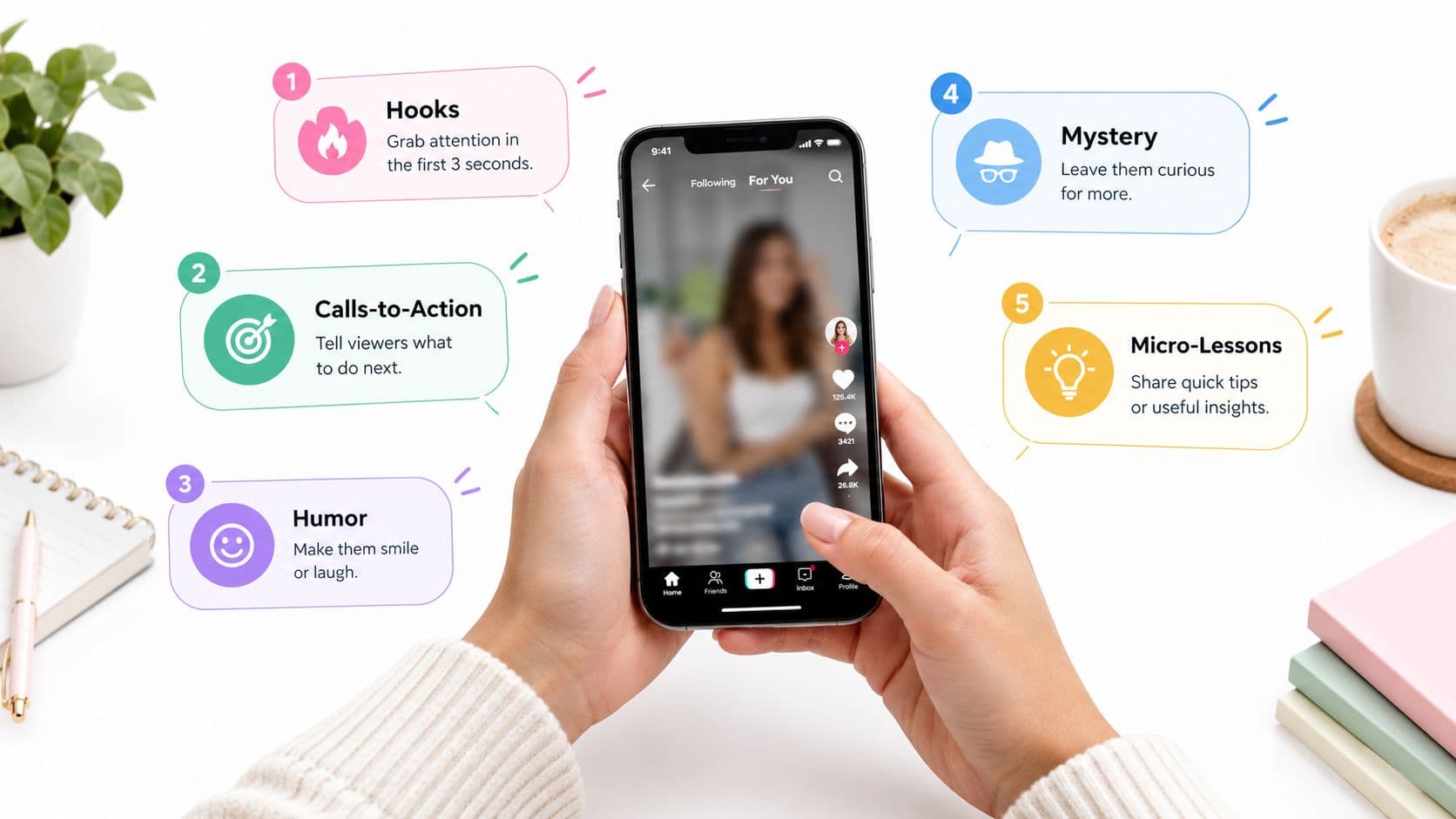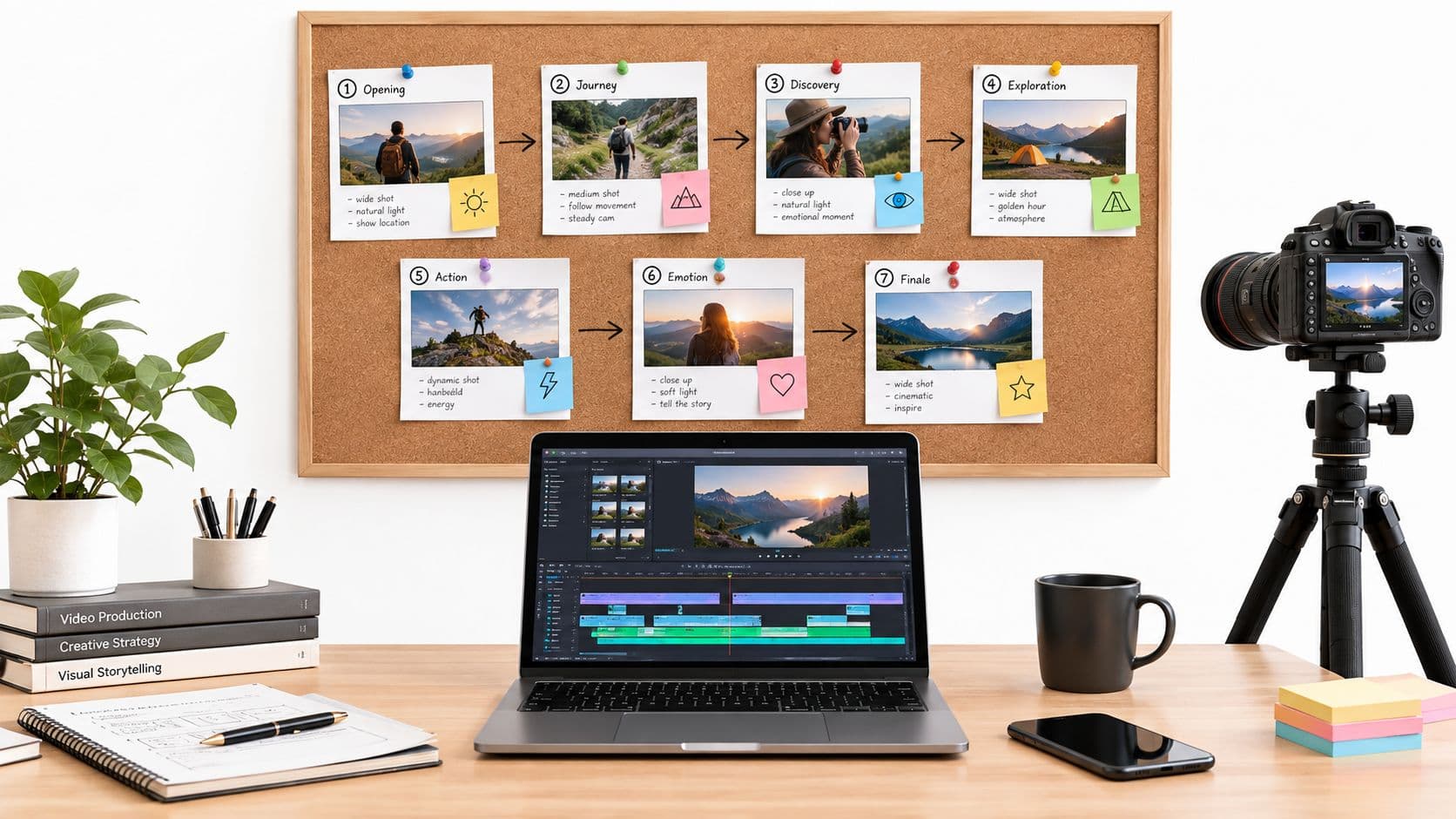
You've posted every day this week, but the clips still feel like unrelated experiments. One starts with a long introduction, another rushes through three ideas, and the next ends just as the story gets interesting. A repeatable structure changes the work: give each clip a hook, a build, and a payoff, then vary the story inside that frame. That's how one premise can become a recognizable series instead of a pile of one-off posts. These seven short story video clips formats are practical blueprints, not trends to copy blindly. Each makes a different trade-off between production effort, pacing, and originality, so you can choose one that fits your workflow and audience. If you're preparing a YouTube version, review this guide to post Shorts with iHatePosting before you publish.
1. Reddit Story Narration With Background Gameplay
The appeal of this faceless format is its division of labor: the narration carries the story, while moving footage gives the viewer something to watch. A familiar setup is a relationship dilemma read over Minecraft parkour, Subway Surfers, or a looping “satisfying” clip. Channels also publish continuing AITA-style stories as numbered episodes, using the next installment to resolve the previous cliffhanger.
The risk is that a popular source format can turn into recycled content. Reading someone else's post word for word, copying its title, and laying generic gameplay underneath doesn't add much creative value. Rewrite substantially, make the framing and commentary your own, and credit the source where appropriate. If you want original scripts rather than adaptations, explore AI story video generation.
Production rule: Open on the conflict, not a greeting. A line of tense dialogue or an immediate dilemma gives viewers context before the background footage has time to become the main event.
For a series, write the first installment to resolve one small question while leaving a larger one open. That gives the clip a payoff without making the next episode feel optional. Keep follow-ups on a dependable schedule, but don't split a complete story into parts solely to force extra taps.
Change the footage, text treatment, or narration style from time to time. The template saves production effort, but repeating the same visual loop and delivery can make different stories feel interchangeable. Compare Reddit narration and scripted storytime production when deciding whether the faster source-led approach is worth its originality and rights trade-offs.
2. Scary Stories and Creepypasta Narration With AI-Generated Visuals
Horror works when each new detail changes what the viewer thinks is happening. Start with a recognizable place or situation, add one unsettling detail, then let the final reveal reframe it. A recurring narrator and consistent visual palette can make standalone stories feel like episodes from the same anthology.
Build dread without slowing the clip
Try a simple sequence: hook, build, twist, lingering question. For example, open with a person hearing their own voice from an empty room. Use the next beat to show the character checking the house, then reveal a detail that suggests the voice came from somewhere it shouldn't. End with a question that invites a response, such as whether the character should go back.
Still images or short AI-generated scenes can set the mood without requiring an on-camera host. Use deliberate movement, a restrained color grade, and subtle ambient sound rather than filling every moment with effects. For a coastal-house story, an image of a house overlooking the ocean at dusk could establish calm before the narration introduces a disturbing detail.
The trade-off is clarity versus atmosphere. Too much exposition drains the tension, but withholding basic context can make the twist hard to follow. Write one escalating detail into the script, then remove any line that doesn't strengthen it or move the character toward the reveal. You can use AI tools for horror story videos to develop a repeatable visual direction, but check each platform's rules before publishing graphic or disturbing material.
3. Bedtime and Sleep Stories
A bedtime clip should ease the viewer toward rest, not create a fresh problem to solve. Use a warm, steady narrator, gentle nature visuals, and a story that feels complete without a sharp twist. A recurring character, like a fox returning to the same forest, gives viewers a reason to revisit without making each installment emotionally demanding.
The template also works as a short preview for a longer story. Create a quiet wind-down moment for Shorts or Reels, then point interested listeners toward the full version. A bedside scene with a book and lamp can carry the mood, while a consistent title style helps a series feel easy to find again.
Keep the promise of the format. A sudden loud effect or abrupt cliffhanger may grab attention, but it works against a clip meant to feel calming.
Keep music low enough that narration remains clear, and confirm the licensing for both music and voiceover before publishing. Captions matter here, too: review their timing and wording instead of relying on an automatic pass, especially if the story uses quiet delivery or names that speech recognition may mishear. For more ideas on building a gentle evening routine, see these restful sleep transition tips.
If you're building a series, use episode names that tell people what they're getting, such as “Bedtime Story: The Sleepy Fox.” A planned evening publishing time can help establish a routine, though the right schedule depends on your audience and their habits. Find more guidance on a bedtime story video format before producing a run of episodes.
4. Animated Fables and Micro-Lessons
Give the lesson to a character, not a narrator who explains at the audience. An animated tortoise and hare, for instance, can show patience and overconfidence through a choice and its consequence before the video states the takeaway. That simple cause-and-effect structure works for children's education, classroom resources, and business training.
Aesop's fables offer familiar starting points for original adaptations. You can also build a new parable around a concept learners need to understand. Choose one character, one decision, and one idea to teach. If the lesson needs multiple definitions, exceptions, and examples, make a longer explainer and use the short clip as an entry point.
The tortoise and hare visual can introduce a lesson about patience. After the character makes a choice, add a single takeaway and a question such as, “What would you have done?” That question invites viewers to apply the idea rather than repeat it.
TED-Ed offers a useful reference for pairing animation and narration with a takeaway or discussion prompt. For a classroom audience, its animated lesson example can help you think about how visuals support an explanation. Keep movement and on-screen text tied to the lesson; decorative animation can distract from the concept.
For training or education, adapt the voice and vocabulary to the intended audience. Custom prompts for story scripts can help establish a consistent brand voice, but a human review should still check that the lesson is accurate and understandable. Finish with a short recap that directs learners to a fuller explanation when the topic needs more than a single example.
5. Vertical Micro-Drama Episodes
A micro-drama works like a small scene from a larger serial. Introduce a character with a clear want, put an obstacle in the way, and end on a reveal or decision that changes what comes next. ReelShort and DramaBox are recognizable examples of vertical episodic drama; creators can also adapt the structure for narrated stories, animation, or text-led scenes.
The main production decision is whether you can sustain the story, not just make an exciting opening. Sketch the season arc before filming so each episode advances the characters and the central conflict. Label episodes clearly, and make the ending intriguing without withholding the basic meaning of the scene.
A cliffhanger should create a new question, not cover for an unfinished beat.
Consistency helps viewers follow the series. Keep character appearance, image style, and episode labels stable, especially if you're using generated visuals. Choose a release rhythm you can maintain, then schedule ahead where possible rather than rushing each installment out after the last one.
The trade-off is continuity versus accessibility. A tightly connected serial can reward loyal viewers, but a newcomer may feel lost if every clip depends on earlier episodes. Include enough context in each opening for a new viewer to understand the immediate stakes. For practical framing guidance, consult the Scheduler.social Shorts aspect-ratio guide.
6. Ken Burns-Style True Story and History Narration
A slow pan across a photograph can make a history clip feel like a miniature documentary, but the image isn't the story. The narration needs a clear question, a sequence of events, and a supported conclusion. This format suits biographies, historical incidents, and carefully researched true-crime storytelling when you have visuals that help explain what happened.
Open on a striking image, then frame the question the clip will answer. Move through the story in a clear order, and use slow zooms or pans to keep still images visually active. A short-form history channel might pair an archival photograph with narration about a town, a person, or a decision, then use the last line to explain why that moment matters.
Accuracy is the main production risk. Use primary sources in the description or pinned comment, and check the license on archive images before using them. Public-domain collections, including the Library of Congress, can offer visual material, but confirm the terms for each specific image instead of assuming every result is free to reuse.
Be careful not to present illustrative images as documentary evidence. If an AI-generated visual depicts a real person or event, label it clearly and make sure the narration doesn't imply it is an authentic archival photograph. The slow visual treatment can build trust only when the sourcing and framing are just as disciplined as the editing.
7. POV and Text-Message Story Videos
The phone screen becomes the stage in this format. A series of messages can deliver the conflict, while notification sounds and a restrained music bed supply rhythm. Relationship drama, comic misunderstandings, and customer-service scenarios all fit because the audience can follow the plot through familiar chat conventions.
Write the exchange to read naturally, but edit it for the screen. Keep each bubble visible long enough to read, use large high-contrast text, and avoid filling the frame with multiple messages at once. A message that changes the viewer's understanding should get its own beat rather than appearing in a fast stack with the rest of the conversation.
There's a balance between realism and legibility. Real chats include pauses, shorthand, and minor details that can clutter a short clip; trim those parts without making the characters sound like they're delivering a script. A notification ping can emphasize a reveal, but repeated effects quickly become distracting.
Label fictional or dramatized conversations clearly so viewers don't mistake them for real screenshots. For a brand, show a plausible customer question and a helpful response, then let the exchange demonstrate the product or service without turning every message into an advertisement. Review captions and on-screen text together so they reinforce the same story instead of competing for attention.
7 Short Story Video Clip Formats: Side-by-Side Comparison
| Story Format | 🔄 Implementation Complexity & Resources | 📊 Expected Outcomes | ⭐ Key Advantages | 💡 Ideal Use Cases |
|---|---|---|---|---|
| Reddit Story Narration with Background Gameplay | Low; scripts, voiceover, captions, and looping footage. ⚡ Fast to produce | Strong retention and repeat views; crowded format may limit differentiation | Low cost, easy to scale, cliffhanger-friendly | Short-form storytime creators, themed series, content agencies |
| Scary Stories and Creepypasta Narration with AI-Generated Visuals | Moderate; atmospheric narration, sound design, and scene-matched visuals | Engagement, shares, and comments; twists can encourage replays | Immersive mood; scalable visuals; works well in short runtimes | Horror creators, faceless channels, themed anthologies |
| Bedtime and Sleep Stories | Low to moderate; calm narration, gentle visuals, and licensed ambient audio | Repeat listening and long watch time, especially in long-form video | Evergreen demand, broad accessibility, simple visuals | Wellness brands, parents, educators, sleep-content creators |
| Animated Fables and Micro-Lessons | Moderate to high; animation, script development, and fact-checking | Learning engagement, recall, and long-term search value | Makes concepts memorable; supports repeatable educational series | Educators, e-learning channels, corporate training, children's content |
| Vertical Micro-Drama Episodes | Moderate to high; season planning, continuity, and potentially actors or consistent visuals | Repeat viewing and subscriber growth through serialized cliffhangers | Strong episodic structure and monetization potential | Serialized storytellers, branded mini-series, retention-focused creators |
| Ken Burns-Style True Story and History Narration | Low to moderate; research, rights-cleared images, narration, and editing | Evergreen search interest and credibility when well sourced | Low-cost visual production; documentary feel | History, education, true crime, and thought-leadership channels |
| POV and Text-Message Story Videos | Low; chat templates, readable text, and optional voiceover or sound effects. ⚡ Fast to produce | Shareable, accessible short-form engagement; repetition can cause fatigue | Minimal production, sound-off friendly, easy to scale | Comedy and relationship creators, small brands, high-volume agencies |
Turn One Format Into a Repeatable Series
Pick the format that fits both your production capacity and the story you want to tell. If you're comfortable writing dialogue but don't want to appear on camera, try text-message scenes or voiceover narration. If you can create a consistent visual style and want recurring characters, animated fables or micro-drama may be a better fit. A format is useful only if you can make it again without flattening the stories.
Build a three-part test around one template. Keep the hook style consistent, apply the same pacing rule, and end each clip with the same kind of payoff. For example, a scary-story test might open with a strange detail, add one escalation, and finish with a reveal. Change the story itself, then compare audience responses to the openings, endings, and comments rather than relying on views alone.
If a clip is meant to send people to a longer episode, lesson, or compilation, make that destination explicit. A standalone story can serve discovery, while a themed excerpt can act as a bridge to related content. A YouTube Shorts experiment on a mid-sized educational channel found that changing from high-volume Shorts to clips directly tied to long-form videos increased long-form views by 15%, with an explicit spoken call to action adding a further 22% increase in Shorts-sourced long-form views (experiment details). Treat that result as a specific test, not a guaranteed outcome, and measure whether your own bridge works.
Pay attention to the opening as well. A 2025 analysis of nearly 5.7 million short-form videos reported that viewers watched TikTok videos for 3.75 seconds on average, and 4% watched to the end (analysis of short-form video data). That makes a clear first beat and a quickly established story premise practical priorities, not decorative edits.
Draft your first script using one tactic from this list, then schedule the second episode before you publish the first. That small production decision forces you to test whether the format is repeatable, not just exciting as a single clip.
ClipCreator.ai offers tools for making faceless short story videos, including custom-prompt scripts, story-aligned visuals, voiceovers, subtitles, and scheduling for TikTok, YouTube, and Instagram. If you want to turn one of these templates into a repeatable workflow, visit ClipCreator.ai and explore the formats that fit your next series.

Create your first video in under 2 minutes
Pick a niche, and ClipCreator.ai generates and auto-posts faceless videos to your channels every day.
Join ClipCreator.ai