You've opened an editing app, scrolled through your saved ideas, and closed it without exporting anything. You don't want camera time, your recording space isn't ready, and every concept seems to require a different production setup. Meanwhile, your shelf of unposted ideas keeps growing.
The fix isn't another list of trends. It's a format you can repeat daily without showing your face, using a recognizable opening, a manageable visual style, and an ending viewers have a reason to reach. A quiz promises an answer. A horror story promises an explanation. A process video promises the satisfaction of seeing unfinished work become complete.
Fun doesn't have to mean comedy, either. In a survey of United States and United Kingdom users reported by Vidico, comedy was the most popular short-form category, selected by 50% of respondents, but personal stories, pets, and entertainment also attracted viewers. You can entertain through curiosity, comfort, suspense, or participation.
These fun video ideas cover scary stories, calming tales, personal drama, trivia, countdowns, miniature documentaries, satisfying processes, choice-based polls, and folklore. Each gives you a hook pattern, a usable prompt, a recurring series structure, and an execution tip. Choose the one whose production demands you can sustain, not just the one whose finished videos you enjoy watching.
1. Scary Stories and Creepypasta Narration
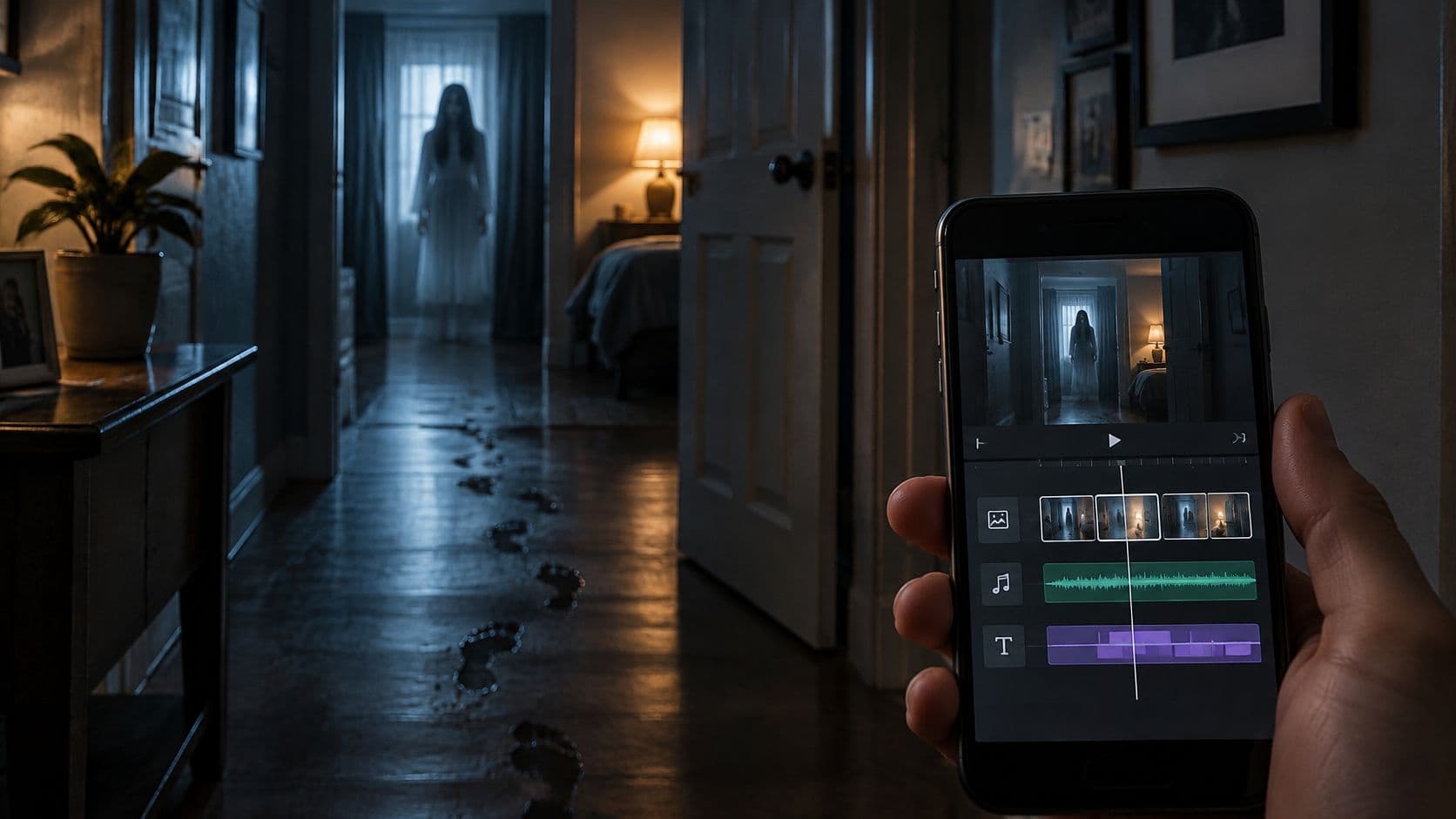
A familiar place with an impossible detail makes an efficient horror opening. A hallway is ordinary; a hallway with a door that wasn't there yesterday gives viewers something to resolve.
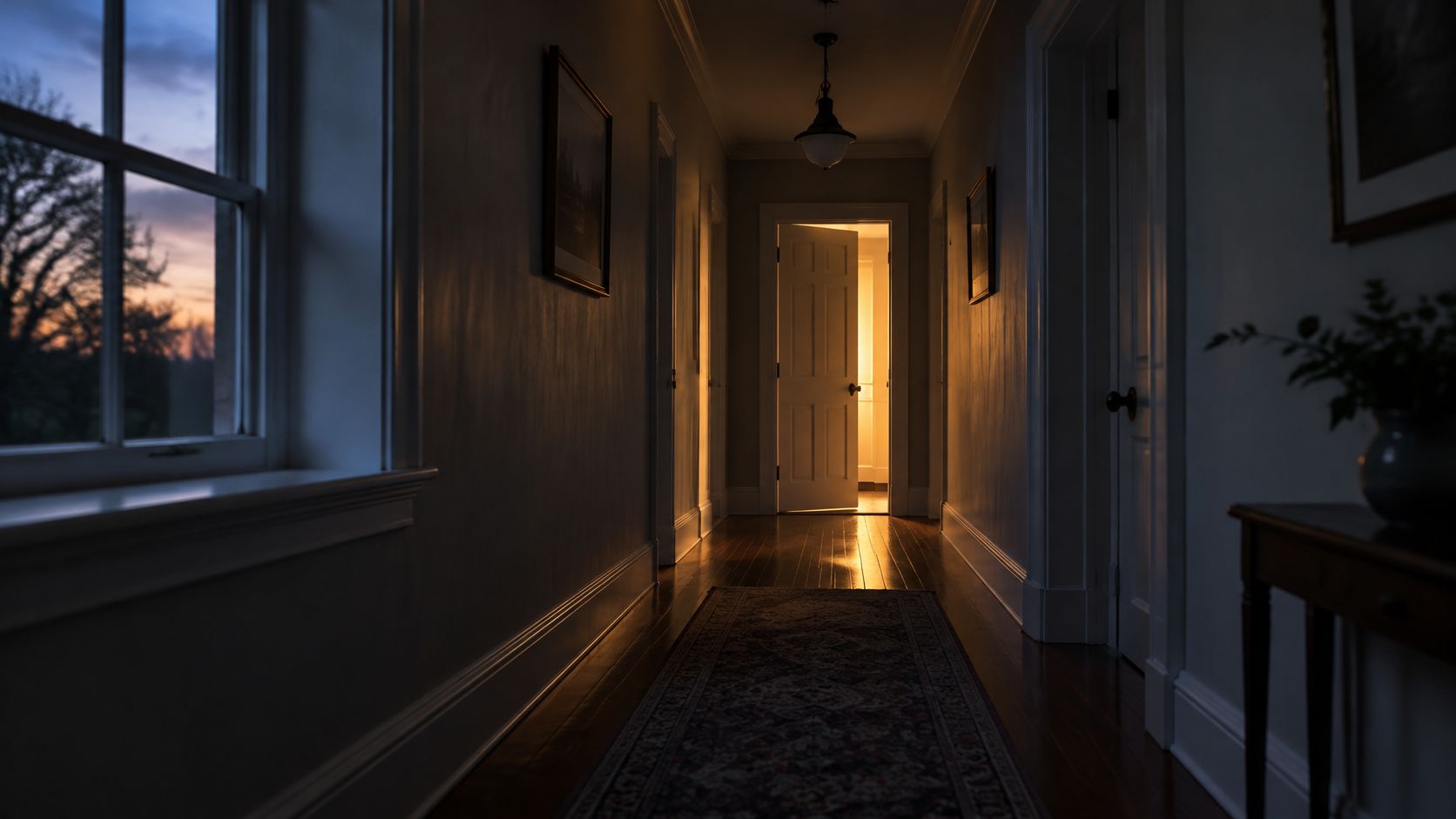
Build the narration around a disturbance, an attempted explanation, and a consequence. Moody stock footage or generated images can support that progression, but unrelated haunted-house shots won't make a weak script frightening. Viewers need to understand what the narrator wants and why they can't leave.
Build a Recurring Horror World
- Hook pattern: Start with an ordinary rule that suddenly becomes dangerous. For example, the narrator's landlord forbids opening the spare-room door after sunset.
- Sample prompt: Write an original fictional horror narration about a tenant who hears their own voice behind a locked door. Establish the apartment clearly, escalate through increasingly personal clues, and end with a reveal that explains the opening.
- Series structure: Reuse a setting, such as an apartment building or roadside motel, while giving each episode its own complete incident.
Keep the narrator voice and character descriptions consistent across your visual prompts. Add sound at story changes, such as a latch moving or footsteps stopping, rather than running loud effects beneath every sentence.
Resolve the immediate mystery before introducing a larger one. A missing ending isn't the same as a cliffhanger.
The main risk is repetition: every episode can become another whisper, shadow, and unexplained knock. Vary the character's decision and the consequence, not just the monster. Use the guide to writing scary stories to strengthen the setup before adding atmosphere.
2. Bedtime Stories and Calming Tales
A bedtime video should make continuing to listen feel effortless. Unlike horror, it doesn't need an escalating threat or a surprise ending; it needs a gentle reason to stay in the scene.
Say your channel follows a woodland postal worker delivering letters to animal neighbors. Each delivery provides movement through the story, while the familiar route, warm voice, and peaceful resolution create continuity. Illustrated scenes work well because you can reuse locations without making every episode visually identical.
Keep the Story Moving Quietly
Hook pattern: Offer a comforting destination or small task immediately. Begin with the postal worker following lanterns toward a cottage where someone is waiting for good news.
Sample prompt: Write a calming fictional bedtime tale about a fox delivering a letter through a peaceful forest. Use simple language, soft sensory details, and a gentle resolution. Avoid danger, sudden sounds, and an energetic closing invitation.
Series structure: Build around recurring places: the riverside bakery, the hilltop observatory, or the village greenhouse. Change the visitor or task while keeping the narrator's pace recognizable.
Record or generate the voice first, then fit the visuals around its pauses. Keep ambient audio beneath the narration, remove abrupt volume changes, and use slow dissolves instead of constant zooms. A title that clearly signals relaxation helps viewers understand the intended experience.
The trade-off is reach versus usefulness. Aggressive hooks and rapid cuts may attract attention, but they undermine a calming format. Don't promise treatment for insomnia; offer a relaxing listening experience, and judge comments about comfort alongside completion.
3. Reddit-Style Story Narration
A workplace dispute can produce a stronger opening than a vague confession. A fictional employee discovering that a colleague presented their work creates an immediate conflict, a clear relationship, and a reason to hear what happened next.
Reddit-style narration borrows the conversational shape of personal posts without requiring you to copy them. Write original scenarios, label fiction clearly, and use relevant visuals such as an empty office, a presentation screen, or a message exchange. Unrelated gameplay may keep the screen busy, but it can also compete with the details viewers need to follow.
- Hook pattern: State the unfair action, then reveal why responding is complicated.
- Sample prompt: Write a clearly fictional first-person workplace story about an employee whose colleague takes credit for a project. Give both characters understandable motives, include a discovery that changes the situation, and finish with a specific decision for viewers to discuss.
- Series structure: Rotate through workplace boundaries, roommate disagreements, family expectations, and friendship misunderstandings under a consistent series title.
Make the Debate Earned
Emphasize turning points with captions, not every ordinary sentence. If a message changes the narrator's decision, let viewers read it without simultaneously introducing another plot detail.
End with a focused question about the choice: should the employee confront the colleague privately or correct the record publicly? That's more useful than a generic request for comments because viewers can argue from the facts you've established.
The known risk is manufactured outrage. If every antagonist is impossibly cruel and every narrator is blameless, the stories become predictable. Give each character a plausible incentive, and don't disguise invented submissions as genuine audience experiences.
4. Fun Facts, Trivia, and Quiz Challenges
A quiz turns the viewer from a listener into a participant. The opening presents a problem, the pause gives them space to commit, and the reveal supplies the payoff.
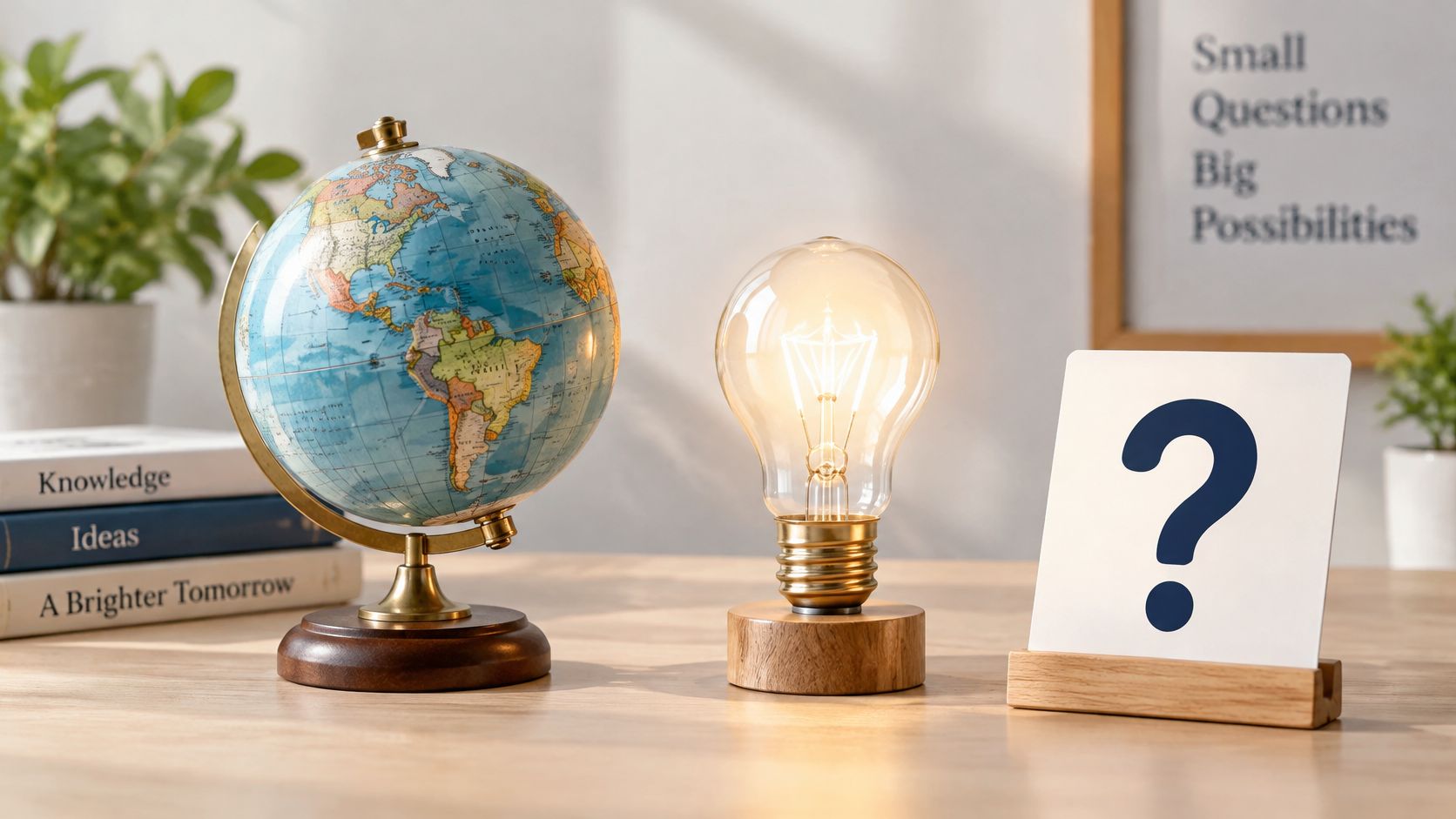
For an educator, a visual vocabulary quiz is a practical starting point. Show an object, offer plausible labels, and explain the correct answer with a memorable distinction. You can reuse the layout while changing the subject, so production doesn't restart from scratch.
Separate Question Writing From Verification
Hook pattern: Ask a specific question that viewers can answer from what's on screen. Avoid openings that merely announce an amazing fact.
Sample prompt: Draft a visual quiz about commonly confused musical instruments. Suggest plausible answer options and a concise explanation. Flag every factual statement for verification rather than inventing references.
Series structure: Organize episodes around a stable category, such as animal identification, map recognition, or everyday science. Keep the question layout, answer position, and reveal animation consistent.
Verify the answer independently before recording narration. An AI-generated explanation is a draft, not evidence, and a misleading image can make an otherwise correct quiz unfair. For factual videos, place the relevant reference in the description.
Practical rule: Make the wrong answers plausible, but make the correct answer unambiguous.
Leave a visible thinking pause, then reveal the answer inside the video. A pinned comment can expand the explanation, but it shouldn't be the only place viewers get the promised result.
The risk is sacrificing accuracy for surprise. A useful explanation earns more trust than a dramatic claim you can't substantiate.
5. Top 10 Countdown Lists
Countdowns work when viewers understand the ranking and care about the final choice. A list of attractive images with numbers attached isn't enough; each entry needs a reason for its position.
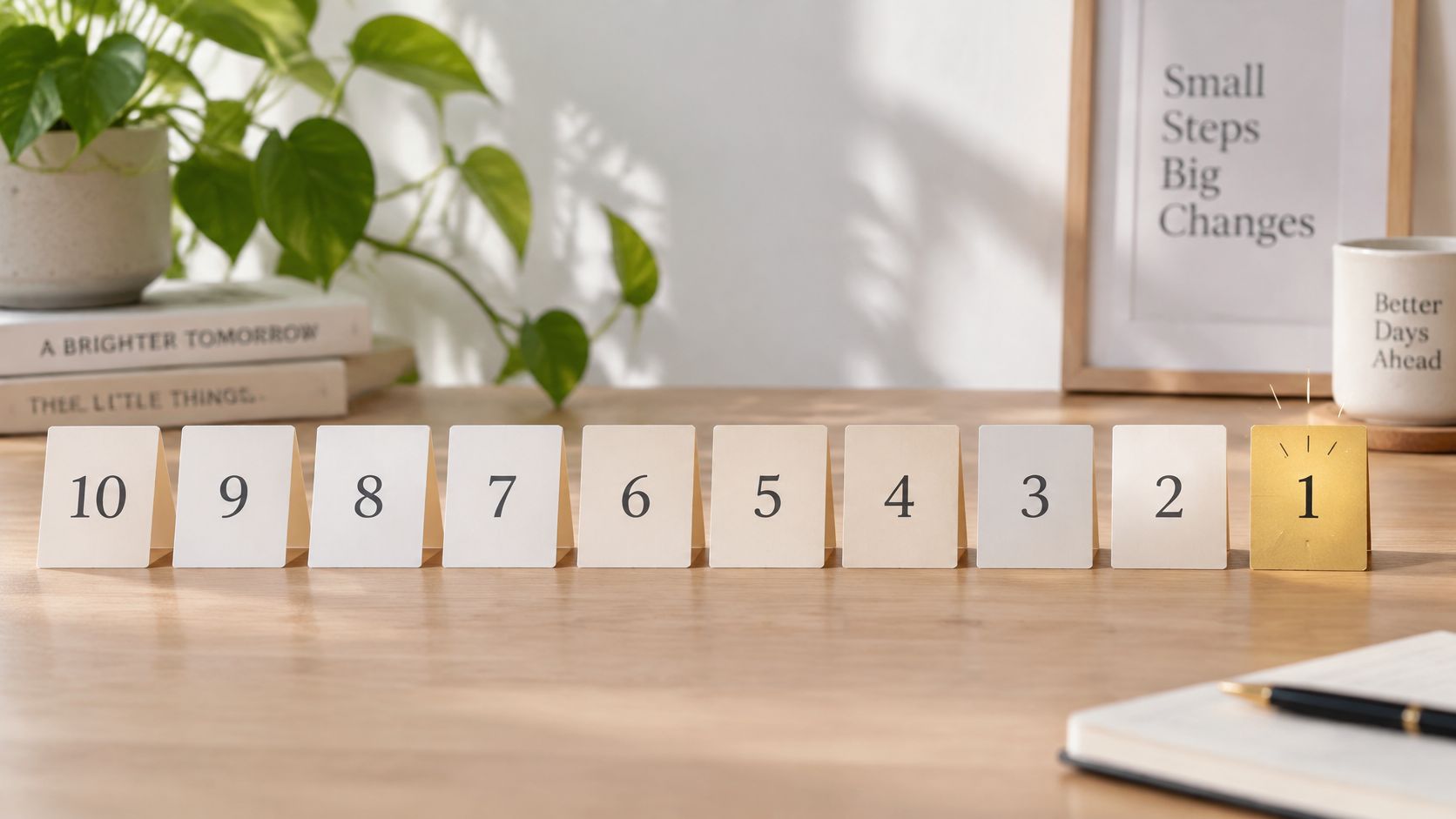
A film channel could rank fictional hiding places by how badly they would fail during a monster attack. That gives the list a playful criterion and lets the narration explain something beyond personal preference. Use original illustrations or appropriately licensed imagery rather than assuming entertainment clips are free to reuse.
Rank by a Stated Criterion
- Hook pattern: Tease the final entry and explain the ranking rule before starting.
- Sample prompt: Create a playful countdown of fictional hiding places, ranked by visibility, escape routes, and noise. Give each entry a distinct weakness and a concise explanation. Make clear that the ranking is editorial, not an objective finding.
- Series structure: Keep the criterion stable across related subjects, or keep the subject stable while changing the criterion.
Build a reusable number card, image frame, and caption style in Canva or your editor. Batch the entry visuals separately from the narration so changing the order doesn't require rebuilding the whole video.
The format breaks down when the list needs more explanation than the runtime allows. Don't accelerate the voice until viewers can barely understand it. Narrow the premise, simplify each entry, or publish a longer version when the argument needs room.
Avoid unsupported superlatives such as the most dangerous or most popular. If you're ranking by taste, say so, and invite viewers to challenge the criterion rather than pretending the order is settled fact.
6. History in 60 Seconds and Mini Documentaries
Start with a decision, not a birth date. A ruler facing a revolt, an inventor choosing between designs, or a town responding to a crisis gives viewers a question they can follow.
For a history channel, a useful episode might explain why a particular bridge was built at a particular location. The bridge becomes the central subject, while maps, archival images, and narration explain the competing needs. You don't have to summarize an entire era to make the event meaningful.
Build Around Cause and Consequence
Hook pattern: Present the surprising decision, then ask what made it reasonable at the time.
Sample prompt: Draft a short historical explainer about a selected bridge using only the verified notes I provide. Explain the problem, the decision, and the consequence. Mark disputed details and missing evidence instead of filling gaps.
Series structure: Choose a recurring lens, such as decisions that changed cities, overlooked inventions, or the history behind ordinary objects.
Create a source note before writing the script. Separate confirmed events from interpretations, and include the references in the description so interested viewers can investigate further.
Use maps when geography matters and labeled diagrams when mechanisms matter. Generated illustrations can establish atmosphere, but identify them as illustrations; don't present a synthetic scene as an archival photograph.
The main risk is false simplicity. You can focus on a narrow cause without claiming it was the only cause. Cut secondary detail rather than forcing a complicated event into a misleading explanation, and let the title describe the specific question you answer.
7. Satisfying ASMR and Process Videos
Start with something visibly unfinished: tangled ribbon, an unsorted drawer, or a rough patch of clay. Viewers should recognize what will change before you explain anything.
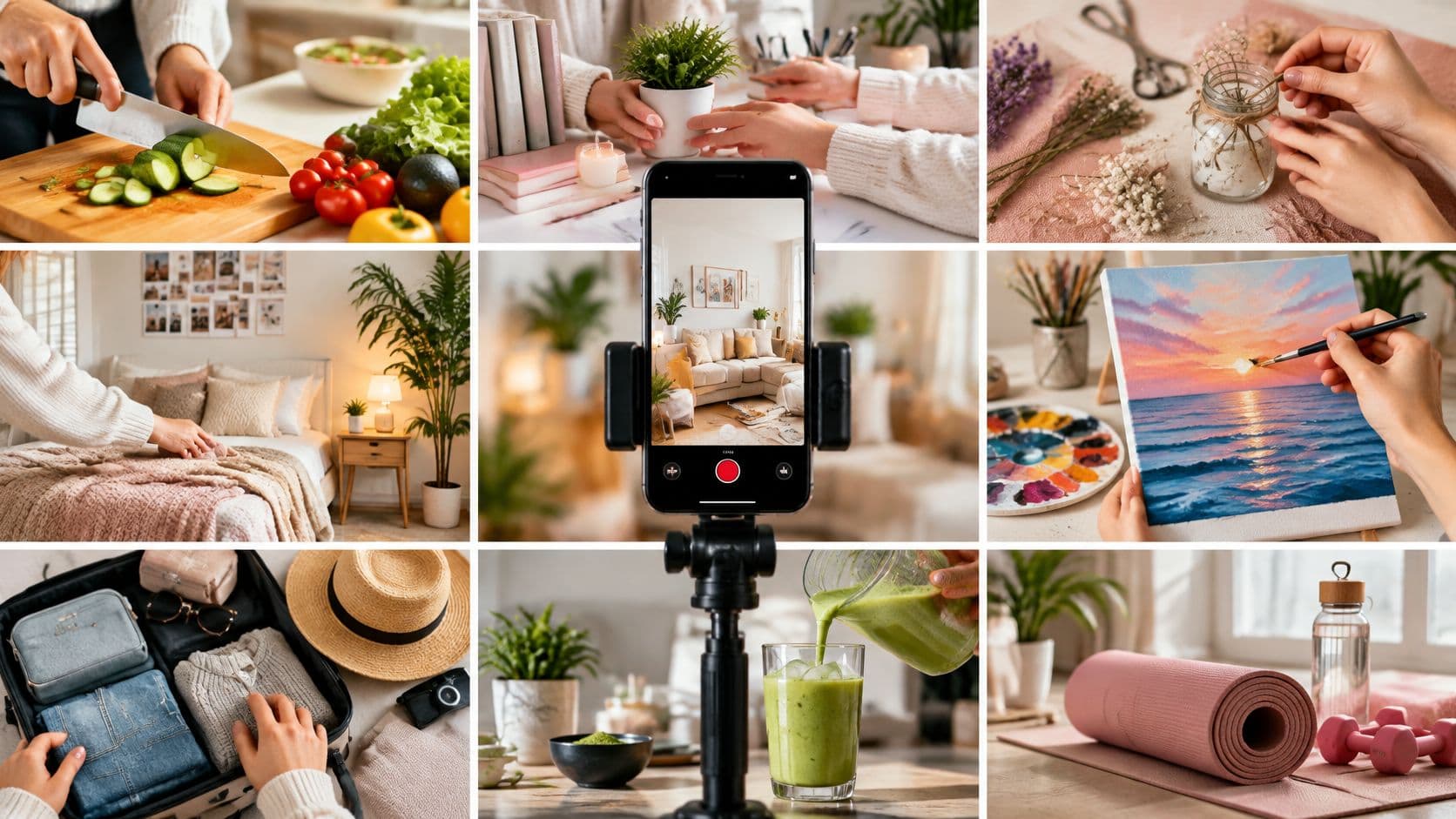
The process itself supplies the progression. A small business can film hands wrapping an order, folding tissue, and tying the final ribbon without putting anyone's face on screen. The result feels satisfying when the actions are clear and the sound matches what viewers see.
This embedded process video offers a reference for observing movement and pacing.

Design the Sequence Before Recording
- Hook pattern: Show the unfinished state and begin the first meaningful action immediately.
- Sample prompt: Create a shot plan for a faceless gift-wrapping video. Include an overhead opening, close-ups of folding and ribbon texture, synchronized natural sound, and a clean finished reveal. Avoid unnecessary narration.
- Series structure: Repeat a material or task, such as paper wrapping, desk organization, or paint mixing, while varying colors and finished arrangements.
Mount your phone securely, lock focus and exposure, and record close enough to capture the actual task sounds. Turn off background appliances where practical; removing a constant hum later is harder than avoiding it during recording.
A clean ending is more valuable than a forced loop. Don't hide the finished result just to return to the opening frame.
This format needs believable physical continuity. Generated motion can produce changing tools, impossible hand movements, or objects that don't behave correctly. Real footage is often the better choice for tactile processes; the guide to making ASMR videos can help you plan the recording and sound workflow.
8. Would You Rather and This-or-That Polls
A coastal cottage and a mountain cabin make a good choice because neither option is automatically wrong. The viewer can decide based on atmosphere, activities, or personal preference.
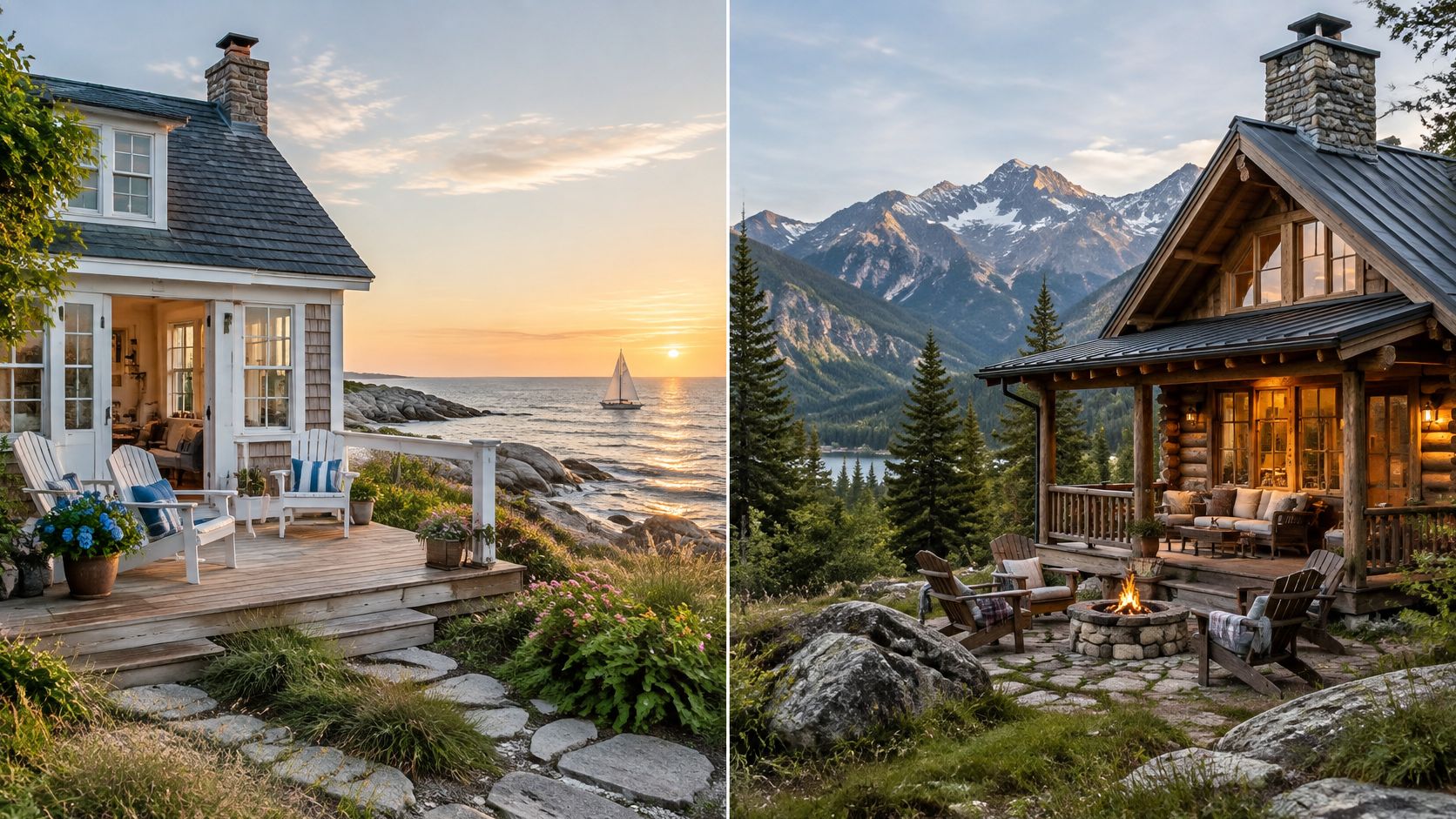
Balanced choices give people something to discuss. If you make one option luxurious and the other obviously miserable, you've created an easy answer rather than a conversation.
Add a Constraint That Changes the Choice
Hook pattern: Present equally appealing options, then introduce a condition. For the cottage-versus-cabin example, the stay could include no internet and no car.
Sample prompt: Write a playful this-or-that video comparing a coastal cottage with a mountain cabin. Give each a clear benefit and inconvenience, add a shared constraint, and finish by asking viewers which trade-off they'd accept.
Series structure: Keep a recurring theme, such as imaginary holidays, dream workspaces, or fantasy abilities. Follow up on audience reasoning rather than merely repeating the winning option.
Use a consistent split-screen layout and give both sides comparable visual quality. Keep labels short enough to read without pausing, and don't bury the constraint in small text at the bottom.
For a brand, these polls can suggest future content themes. A homeware business might compare reading corners and use the comments to plan demonstrations, but commenters aren't a representative customer survey.
The risk is shallow engagement. A flood of single-word answers doesn't necessarily mean viewers remember your channel. Ask for the reason behind the choice, and use thoughtful replies as the basis for the next episode.
9. Folklore and Myth Retellings
Folklore gives you plots with clear desires, rules, bargains, and consequences. Those elements suit faceless narration because viewers can follow the conflict through voice, illustrations, and a small recurring cast.
A modern adaptation could place a cautionary animal fable in an office where coworkers trade favors. The setting changes, but the choice and consequence remain recognizable. You can entertain viewers without pretending the modern version is the original tale.
Keep the Source and Adaptation Distinct
- Hook pattern: Introduce the bargain or prohibition before describing the whole world.
- Sample prompt: Adapt a source fable I provide into a clearly labeled modern fictional retelling. Preserve its central decision and consequence, use a workplace setting, and end with a question about whether the lesson still applies.
- Series structure: Group episodes by a shared theme, such as impossible bargains, trickster encounters, or promises people regret making.
Choose a stable visual language for the series: paper-cut illustration, storybook watercolor, or restrained animation. Save character descriptions and recurring location prompts so clothing, appearance, and scenery remain consistent.
The main risks are rights confusion and cultural flattening. An old story doesn't mean every modern translation, illustration, or adaptation is free to reuse. Check the particular edition and applicable rights, and write your own retelling rather than copying a contemporary author's language.
When a tradition has differing versions, name the version you used instead of presenting it as universal. Don't combine unrelated traditions merely because their characters look similar. End with the consequence or moral dilemma, then let viewers disagree with the lesson.
How the nine faceless video formats compare on length, effort, and risk
Short runtime and low effort rarely line up. A History episode under 90 seconds carries the heaviest research load in the table, while a 2–3 minute bedtime story stays in the moderate band because the script can breathe and the visuals stay ambient. Read the length column as a production commitment, and pair it with the risk column before choosing a series.
| Item | Typical Length | Production Effort | Best For | Main Risk |
|---|---|---|---|---|
| Scary Stories and Creepypasta Narration | 60–90 seconds | Moderate: scripting, narration, visuals, and sound design | Suspense-driven storytelling and serialized content | Copyright issues or repetitive themes |
| Bedtime Stories and Calming Tales | 2–3 minutes | Moderate: soothing narration and ambient audio | Relaxation, sleep, and repeat listening | Slow pacing may lose viewers |
| Reddit-Style Story Narration | 60–90 seconds | Moderate: adapting stories, narration, and subtitles | Relatable drama and comment engagement | Permission, attribution, and authenticity concerns |
| Fun Facts, Trivia, and Quiz Challenges | 30–60 seconds | Low to moderate: research, captions, and quick visuals | Educational, shareable, interactive content | Inaccurate facts can damage credibility |
| Top 10 Countdown Lists | 60–90 seconds | Moderate: research and varied visuals | Ranked topics and retention-focused series | Generic lists or inaccurate rankings |
| History in 60 Seconds and Mini Documentaries | Under 90 seconds | High: research, fact-checking, and historical visuals | Concise educational storytelling | Errors or difficulty condensing complex topics |
| Satisfying ASMR and Process Videos | Usually under 60 seconds | Low to moderate: filming and sound quality are key | Visual replay and sensory appeal | Crowded niche and weak differentiation |
| Would You Rather and This-or-That Polls | 30–60 seconds | Low: paired options and simple visuals | Comments, polls, and audience feedback | Repetitive choices may limit depth and watch time |
| Folklore and Myth Retellings | 60–90 seconds | Moderate: adaptation, narration, and visuals | Themed storytelling and educational series | Cultural sensitivity and unoriginal adaptations |
Pick the row whose main risk you can control. If fact-checking slows you down, the poll and quiz formats trade research time for thinner retention and weaker depth. If scripting is your strength, scary stories, Reddit narration, and folklore all sit in the same 60–90 second slot, so you can rotate topics across a season without rebuilding the production system behind them. I'd treat the effort column as the main filter, because a format you can sustain weekly beats a format that looks easy for three episodes.
Pick One Format and Test It for Seven Days
Choose the format whose hook you can write confidently and whose risk you can manage. If you enjoy building suspense but struggle with factual verification, original horror may be more sustainable than history explainers. If you already make products or crafts, process footage may require less work than generating a new illustrated world for every episode.
Produce three episodes in one batch before publishing the first. This is a practical test of repeatability: if the second script immediately feels like a weaker copy, revise the series premise before building a larger queue. Keep the narrator, caption treatment, and visual style consistent so you can judge the concepts rather than unrelated production changes.
Use the Week to Diagnose the Format
- Before publishing: Write down what each opening promises and where the episode delivers that promise. Check story continuity, subtitle accuracy, and any factual or rights-sensitive material.
- After publishing: Track retention, completion, and the substance of comments. Note whether viewers discuss the ending, misunderstand a detail, or ask for more of the same theme.
- For the next batch: Change the weakest recurring element, such as a slow setup or unclear answer reveal. Don't replace the voice, pacing, topic, and visual style simultaneously.
Read the retention curve as a record of viewer decisions, not a verdict on your creativity. An early drop can indicate that the opening is confusing or that the title promised something different. A drop near the ending may mean you delayed the payoff or continued speaking after viewers had already received it.
Comments need interpretation, too. Horror viewers debating a clue are responding differently from quiz viewers correcting an answer. Bedtime listeners asking for softer sound may offer more useful direction than a generic compliment, while poll participants explaining their choices can suggest the next episode.
Production judgment: Keep a format when you can name what viewers enjoy and reproduce it without making every episode identical.
Don't treat the week as proof of future reach. Use it to decide whether the workflow is manageable and whether the audience understands the intended experience. Expand the queue only after you've corrected the obvious friction.
Once the format is proven, a scheduling tool such as ClipCreator.ai can help keep publishing consistent. Automation can handle repetitive production and posting tasks, but you should still review the script, visuals, narration, and final payoff. The best fun video ideas become useful when you can turn them into another clear, complete episode without starting over.
ClipCreator.ai automates short faceless-video creation with scripts, story-aligned images, voiceovers, subtitles, and scheduled publishing. You can start with a story template or use a custom prompt to build one of these recurring formats. Visit ClipCreator.ai to turn your chosen idea into a repeatable production workflow.

Create your first video in under 2 minutes
Pick a niche, and ClipCreator.ai generates and auto-posts faceless videos to your channels every day.
Join ClipCreator.ai