In the fast-paced world of short-form video, capturing attention is only the first step. The real challenge lies in converting fleeting views into a loyal, engaged audience. With platforms like TikTok, YouTube Shorts, and Instagram Reels constantly evolving their algorithms, creators and marketers need a robust strategy grounded in proven methods. This guide moves beyond generic advice to deliver a definitive roundup of the 10 most impactful best practices for video marketing today. We'll dissect the strategies that top creators use to go viral, build communities, and scale their content production, providing actionable steps and the frameworks you need to turn your video content into a powerful growth engine.
This is not a list of vague tips. Instead, you will find a detailed playbook designed for immediate implementation, whether you're a brand scaling client content or a creator building a faceless channel. We will explore specific techniques covering everything from ideation and production to distribution and measurement.
Inside this guide, you will learn how to:
- Master the first three seconds with a hook-first content strategy.
- Implement proven script templates for niche-specific storytelling.
- Optimize your publishing cadence for maximum reach and consistency.
- Produce compelling faceless videos that build authentic connections.
- Leverage platform-specific features for cross-platform success.
- Use analytics to inform your next video and iterate based on data.
Each item on this list is a critical component of a successful short-form video strategy. By applying these actionable best practices for video marketing, you can stop guessing what works and start building a predictable system for audience growth and engagement. Let's get started.
1. Hook-First Content Strategy (The First 3 Seconds Rule)
In the hyper-competitive world of short-form video, you have less than three seconds to convince a viewer not to swipe away. This is the core principle behind the Hook-First Content Strategy, a non-negotiable best practice for video marketing on platforms like TikTok, Reels, and YouTube Shorts. This approach mandates that the most compelling, surprising, or intriguing part of your video must appear immediately, acting as a powerful pattern interrupt that stops the endless scroll. The algorithm heavily weighs initial watch time, so a strong hook directly signals that your content is engaging, leading to wider distribution.

The hook can be a provocative question ("You've been cleaning your kitchen all wrong"), a shocking statistic ("90% of startups fail for this one reason"), or a visual anomaly (an unexpected object in the first frame). Long-form creators like MrBeast perfected this for YouTube thumbnails and intros, but the principle is now condensed into the first few frames of short-form content. The goal isn't clickbait; it's to create an "information gap" or curiosity that the rest of the video promises to fill.
How to Implement a Hook-First Strategy
To effectively apply this strategy, focus on front-loading your value proposition. For practical examples on crafting compelling openings, explore articles on powerful hooks for Reels to see how this is done in a specific niche.
Here are actionable steps to integrate this into your workflow:
- A/B Test Your Openings: Create two versions of the same video with different hooks. Run them as ads or post them a few weeks apart and analyze which one retains viewers longer in the first three seconds.
- Combine Visual and Narrative Hooks: Pair a bold on-screen text question with an unusual or fast-paced visual sequence. This dual approach captures attention from viewers who read captions and those who are visually driven.
- Analyze Drop-Off Points: Use platform analytics to see the exact moment viewers leave. If a significant drop occurs before the 3-second mark, your hook is the problem. This data is your most valuable feedback loop.
- Build a Hook Library: Keep a running list of high-performing hooks from your niche and others. When brainstorming, you can pull from this proven library instead of starting from scratch. Understanding the structure of a great opening is a key part of developing a solid video script.

2. Niche-Specific Storytelling and Proven Template Models
Content creation at scale requires efficiency without sacrificing engagement. This is where niche-specific storytelling and template models become one of the most powerful best practices for video marketing. Instead of reinventing the wheel for every video, this strategy involves identifying and adopting proven, repeatable formats that already resonate with a specific audience. The structure provides consistency and predictability that viewers enjoy, while the unique content within each video keeps them coming back. This approach makes production highly scalable and predictable.

Think of channels like Mr. Nightmare, which turns Reddit stories into compelling narrations, or Kurzgesagt, known for its distinct educational animation style. These creators don't just produce random videos; they operate within a defined template that their audience recognizes and seeks out. The format becomes part of the brand itself. This method works because it leverages existing user expectations. Viewers in niches like true crime, scary stories, or motivational content have been conditioned to consume information in a particular way, and aligning with that pattern reduces friction and increases watch time.
How to Implement Niche Template Models
To apply this strategy, you must first deconstruct what's already working in your target niche. Document the exact structure, pacing, and visual elements of top-performing content to create your own repeatable framework. Understanding these underlying patterns is essential, and you can delve deeper by studying different narrative structure examples to see how stories are built.
Here are actionable steps to integrate this into your workflow:
- Identify and Document Proven Formats: Analyze your niche and identify 3-5 dominant video templates. Document their structure step-by-step: the hook, the introduction of the problem, the rising action, the climax, and the conclusion or call-to-action.
- Maintain Brand Consistency: While the stories or facts change, keep core elements consistent. This includes the narrator's voice, background music, on-screen text font, and overall editing pace. This builds a recognizable brand identity.
- Test Minor Variations: A/B test small changes within your chosen template. Try a different visual style for B-roll, adjust the length by 15 seconds, or alter the tone of the call-to-action. Track which versions generate higher completion and share rates.
- Rotate Your Templates: To avoid audience fatigue, rotate between 3-4 proven templates weekly. This maintains freshness while still benefiting from the efficiency of a templated workflow. Analyze comments to see which formats resonate most.
3. Consistent Upload Scheduling and Posting Frequency Optimization
Consistency is the currency of the algorithm. Establishing a predictable and frequent posting schedule is a critical best practice for video marketing because it signals to platforms like TikTok and YouTube that your channel is active and reliable. This regularity not only keeps your content in front of your audience but also trains them to expect it, turning passive viewers into habitual followers. Algorithms are designed to promote content from creators who consistently provide value, and a steady stream of uploads is a primary indicator.
While the ideal frequency varies by platform and niche, a general rule for short-form video is a minimum of three posts per week, with high-growth channels often posting once or twice daily. The goal is to find a sustainable rhythm that maximizes reach without sacrificing quality. This approach builds momentum, allowing each new video to capitalize on the visibility of the last, creating a compounding effect on channel growth.
How to Implement a Consistent Schedule
The key to consistency is planning and batching. Instead of creating content daily, dedicate blocks of time to produce a week or two's worth of videos at once. This ensures you always have a backlog ready for publication, even on busy days. For deeper insights into platform-specific cadences, understanding how often you should post on TikTok provides a valuable framework for building your schedule.
Follow these actionable steps to optimize your posting frequency:
- Analyze Peak Active Hours: Dive into your platform analytics (TikTok Analytics, YouTube Studio) to identify when your target audience is most active. Common peak times are often early mornings, lunch breaks, and evenings.
- Start and Scale Methodically: Begin with a manageable schedule, such as three to five videos per week. Track your engagement and follower growth for a month. If performance is strong and you can maintain quality, incrementally increase your frequency.
- Utilize a Content Calendar: Plan your video topics, formats, and publication dates in a centralized calendar. This strategic overview prevents last-minute scrambling and ensures a cohesive content strategy.
- Leverage Scheduling Tools: Use platforms like Buffer, Later, or ClipCreator.ai to auto-schedule your posts. This automates the publishing process, ensuring your content goes live at the optimal time without manual intervention.
- Test and Adjust: Experiment with different posting times and frequencies weekly. Monitor key metrics like view velocity (how quickly a video gets views after posting) and engagement rates to pinpoint the most effective schedule for your specific audience.
4. Faceless Video Production with Authentic Voiceover and Narrative Presence
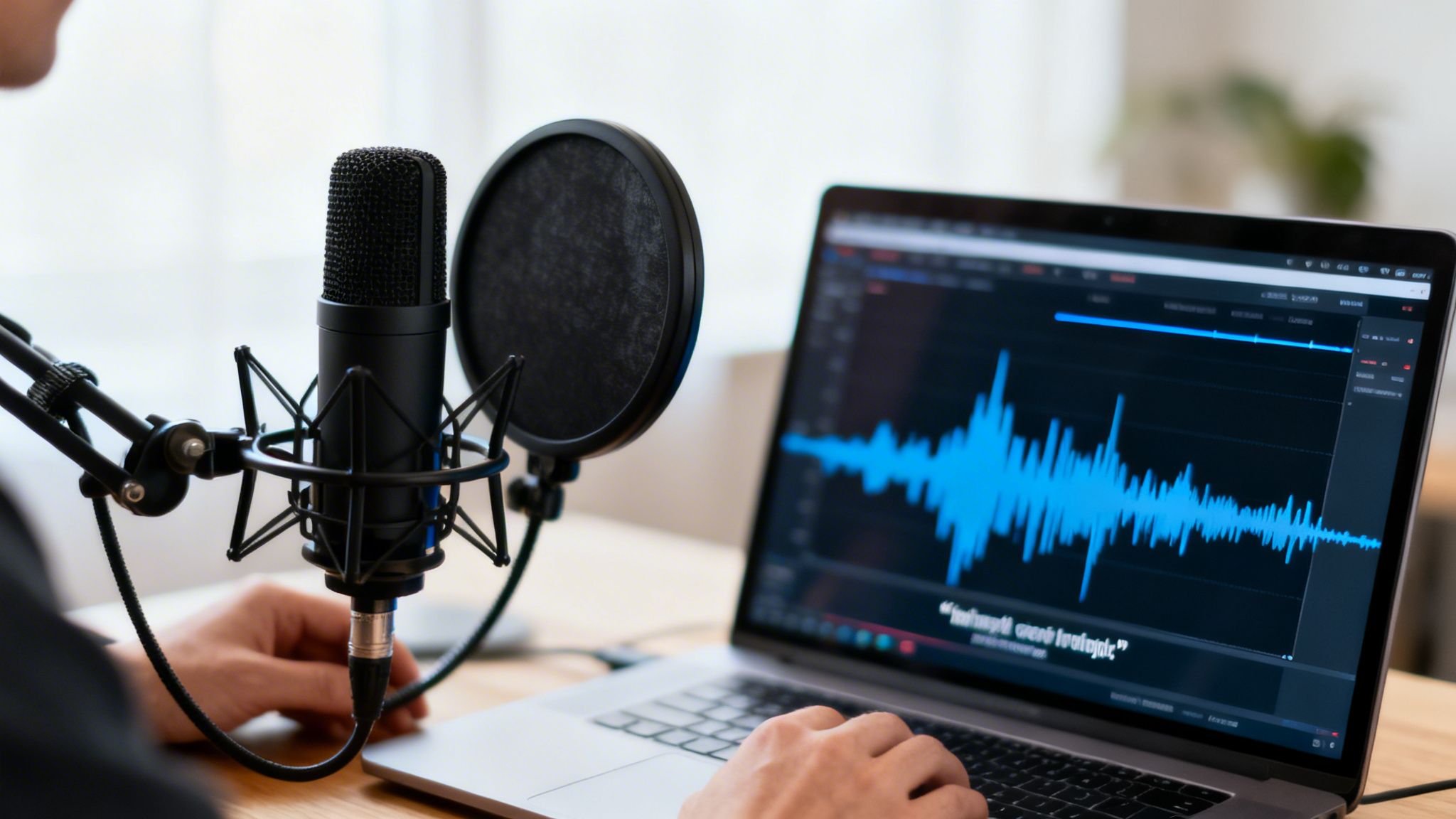
One of the most scalable and effective video marketing best practices is the faceless content model. This approach removes the barrier of on-camera talent and instead builds a powerful connection through authentic voiceover narration, strategic text overlays, and compelling B-roll footage. By shifting the focus from a visual personality to a narrative presence, brands can produce high-quality, emotionally resonant content consistently without needing a studio or a charismatic host. The viewer’s attention is captured and held by the story itself, making the message the star.
This strategy has been popularized by creators like Mr. Nightmare in the horror niche and Kurzgesagt in education, proving its effectiveness across genres. The core principle is that a well-crafted narrative, delivered with a consistent and engaging voice, can create a brand identity just as strong as a physical person. For businesses, this means content production is no longer bottlenecked by a single individual's availability, making it an incredibly efficient way to scale video output.
How to Implement a Faceless Video Strategy
The success of a faceless channel hinges entirely on the quality of its audio and the cohesiveness of its narrative. The voiceover is the brand. Explore various top-tier AI voice generators to find a unique, high-quality voice that can become a recognizable audio signature for your content.
Here are actionable steps to build your faceless presence:
- Prioritize High-Quality Audio: Invest in a good microphone or a premium AI voice service. The voiceover must be clear, emotionally appropriate for the content, and free of background noise. The audio is your primary tool for building trust and connection.
- Develop a Narrator Persona: Even without a face, your narrator should have a distinct personality. Decide on a consistent tone, pace, and even catchphrases. This turns the voice into a character that your audience can connect with over time.
- Sync Visuals to Narrative Beats: Every visual element, whether it's stock footage, an animation, or a text overlay, must directly support the point being made in the voiceover at that exact moment. This tight synchronization keeps viewers engaged and makes the story more impactful.
- Use Sound Design to Add Depth: Subtle background music and ambient sound effects can dramatically enhance the viewing experience. Match the audio atmosphere to the narrative tone: calming sounds for meditation content, tense music for mystery stories.
- Leverage Dynamic Text and Captions: Use on-screen text to emphasize key takeaways and maintain focus. Ensure your captions are perfectly timed and 100% accurate, as many viewers watch without sound, and platforms reward the watch time generated by engaged readers.
5. Platform-Specific Optimization and Multi-Platform Publishing Strategy
The "post once, share everywhere" approach is an outdated and ineffective model for video marketing. A Platform-Specific Optimization strategy recognizes that each social media platform is its own distinct ecosystem with unique algorithms, audience expectations, and technical requirements. This best practice involves adapting a core piece of content for the specific nuances of TikTok, Instagram Reels, and YouTube Shorts, rather than simply cross-posting the exact same file. This tailored approach dramatically improves performance by aligning your video with what each platform's algorithm values most.
Creators like Gary Vaynerchuk championed this concept by demonstrating how a single pillar piece of content can be atomized into dozens of platform-native variations. For instance, a fast-paced, trend-driven version of a video works best on TikTok, while a slightly longer, more educational cut with a custom thumbnail will perform better on YouTube Shorts. The goal is to make your content feel native to the environment where it's being consumed, which signals to both the algorithm and the user that it belongs there.
How to Implement a Platform-Specific Strategy
Mastering this requires understanding the subtle but critical differences between platforms. Instead of creating entirely new videos, focus on adapting a single core concept with platform-specific edits.
Here are actionable steps to integrate this into your workflow:
- Adapt Video Length and Pacing: Keep TikTok videos concise and fast-paced, often under 60 seconds. For YouTube Shorts, you can extend up to 90 seconds, allowing for slightly more depth. Instagram Reels often perform best in the 30-to-60-second range.
- Use Platform-Native Features: Incorporate trending sounds and effects directly from TikTok’s library for maximum algorithmic boost. On Instagram, leverage interactive stickers like polls or quizzes in your Reels.
- Customize Text and Hashtags: On-screen text styles and placement should feel native to each app. Your hashtag strategy must also be unique; use a larger volume of broad and niche hashtags on TikTok (15-30), but a more curated, focused set on Instagram (5-10).
- Create Platform-Specific CTAs: Your call to action should match the platform's primary function. Prompt viewers to "Follow for more" on TikTok, but use "Subscribe" on YouTube Shorts to encourage channel growth.
- Optimize Thumbnails and Covers: YouTube Shorts is the only one of the three major short-form platforms that allows a custom-uploaded thumbnail. Always create a compelling, branded thumbnail for Shorts, while selecting the most engaging frame as the cover for Reels and TikTok.
6. Data-Driven Content Iteration Based on Analytics and Performance Metrics
Intuition and trend-chasing can only take your video marketing so far; sustainable growth is built on data. Data-driven content iteration is the practice of systematically using platform analytics to make informed decisions about what to create next. Instead of guessing what your audience wants, you analyze performance metrics like watch time, completion rate, shares, and saves to double down on winning formats and eliminate what isn't working. This creates a powerful feedback loop where every video you publish provides intel to make the next one even better.
This methodical approach transforms content creation from an art into a science. By tracking performance, you can identify the precise elements that resonate with your audience, from the type of hook that grabs their attention to the optimal video length that holds it. This is one of the most crucial best practices for video marketing because it removes subjectivity and allows you to systematically improve your content's impact and reach over time.
How to Implement Data-Driven Iteration
Adopting this practice requires a simple yet consistent review cycle. It’s about asking "Why did this work?" and "Why did this fail?" and using the answers to guide your future strategy.
Here are actionable steps to integrate this into your workflow:
- Establish a Review Cadence: Dedicate time weekly or bi-weekly to review your analytics. Look for patterns in your top-performing and bottom-performing videos. What topics, formats, or hooks are consistently winning?
- Isolate and Test Variables: When testing a new idea, change only one element at a time. For example, use the same topic and visuals but test a question hook versus a statement hook. This ensures you can attribute performance changes to the specific variable you're testing.
- Reverse-Engineer Your Successes: Take your top three videos from the last month and break them down. Document the hook, topic, video length, call-to-action, and sound used. This creates a blueprint of what success looks like for your specific audience.
- Track Key Performance Indicators (KPIs): Create a simple spreadsheet to track your most important metrics for each video. Focus on completion rate (how much of the video people watch) and shares/saves (a strong indicator of value). This documentation makes it easy to spot trends.
7. Trend Awareness and Timely Content Execution (Rapid Response Content)
In the world of short-form video, relevance is currency, and timing is everything. Rapid Response Content is the practice of quickly identifying and capitalizing on trending topics, sounds, and cultural moments. Platforms like TikTok and Instagram Reels are built on the viral spread of trends, and their algorithms are designed to amplify content that participates in these conversations while they are at their peak. Being one of the first in your niche to adopt a new format or sound can result in a massive, algorithm-driven boost in visibility, as audiences are actively seeking new interpretations of what's currently popular.
This strategy requires a departure from rigid content calendars and an embrace of agility. The key is not just to copy a trend but to adapt it to your unique brand voice and value proposition. For example, a finance creator might use a trending audio clip about drama to explain a common investing mistake, or a B2B SaaS company could use a popular meme format to highlight a customer pain point. This fusion of the timely with the timeless is a powerful technique in modern video marketing, making your evergreen message feel fresh and culturally connected.
How to Implement Rapid Response Content
To execute this strategy effectively, you must build a workflow optimized for speed without sacrificing quality. This means having tools and templates ready to go at a moment's notice. For instance, using a platform like ClipCreator.ai allows you to quickly generate new scripts and visuals based on trending topics, drastically reducing your production time from hours to minutes.
Here are actionable steps to integrate this into your content creation:
- Build a Trend-Spotting Habit: Dedicate 15-20 minutes daily to scrolling the "For You" or "Trending" pages on TikTok, Reels, and YouTube. Pay attention to recurring sounds, formats, and challenges that you could adapt for your niche.
- Establish Content Templates: Create a few standard video formats that can be easily customized. When a new trend emerges, you can simply plug the trending sound or visual element into your pre-built template, ensuring brand consistency and speed.
- Maintain a 60/40 Content Mix: Balance your content strategy. Aim for roughly 60% evergreen, value-driven content and 40% trend-based content. This ensures you build a sustainable library of assets while still benefiting from viral moments.
- Always Add a Unique Angle: Never just replicate a trend. Ask yourself, "How can I add my brand's unique perspective or educational value to this?" This is one of the most crucial best practices for video marketing because it prevents your content from being just another copy.
8. Authentic Engagement and Community Building (Comments, Community Tab, Parasocial Connection)
In an algorithm-driven world, the most durable competitive advantage is a loyal community. Authentic engagement is the practice of treating content distribution as a two-way conversation rather than a one-way broadcast. This means actively responding to comments, utilizing platform features like the YouTube Community tab, and fostering a genuine connection with your audience. Algorithms on platforms like YouTube and TikTok are designed to identify and reward content that sparks conversation, making this one of the most impactful best practices for video marketing you can implement.
This strategy moves beyond simply accumulating views and focuses on building a sustainable audience that feels seen, heard, and valued. When creators consistently reply to comments, feature audience submissions, or ask for input on future videos, they cultivate a powerful parasocial connection. This bond translates into higher loyalty, increased watch time on future uploads, and a resilient viewer base that supports the creator's work long-term. Creators like MrBeast built empires not just on viral ideas but on an obsessive focus on community management and feedback.
How to Implement Authentic Community Engagement
To build a thriving community, you must be systematic and genuine in your interactions. The goal is to make your audience feel like active participants in your channel's journey, not just passive consumers. You can learn more about fostering this type of environment by exploring strategies for engaging your YouTube audience.
Here are actionable steps to integrate this into your workflow:
- The First-Hour Rule: Dedicate time to reply to as many comments as possible within the first 1-2 hours of posting a video. This initial burst of activity sends a strong positive signal to the algorithm, boosting your content's early momentum.
- Feature Your Audience: Regularly create content that highlights your community. This can be as simple as pinning a top comment, featuring user-submitted clips, or creating a Q&A video based entirely on audience questions.
- Utilize Community Features: Use the YouTube Community tab or TikTok's Q&A feature 2-3 times per week. Post polls asking viewers to vote on the next video topic, share behind-the-scenes thoughts, or ask open-ended questions to spark discussion.
- Ask for Engagement: Don't just post a video; end it with a specific question that invites a thoughtful response. Instead of "Leave a comment," ask, "What was the biggest mistake you made when you first started?" This encourages deeper interaction.
- Acknowledge and Adapt: Monitor comments for recurring themes, ideas, and constructive criticism. Publicly acknowledging feedback and showing you're willing to adapt based on audience input builds immense trust and loyalty.
9. Strategic Keyword Optimization and Discoverability (Titles, Descriptions, Hashtags, Transcripts)
While hooks and visuals capture immediate attention, strategic keyword optimization is what gives your video long-term discoverability. This practice involves treating every text element associated with your video as a signal to the platform's algorithm, telling it exactly what your content is about and who should see it. By optimizing your title, description, hashtags, and transcripts for search, you transform your videos from fleeting content into valuable assets that attract viewers for months or even years. This is one of the most crucial best practices for video marketing as it unlocks organic traffic beyond the initial algorithmic push.
This process, popularized by YouTube SEO experts like Sean Cannell and Derral Eves, applies search engine optimization principles directly to video platforms. A vague title like "Story #42" gets lost, but a specific, keyword-rich title like "Scary Reddit Story: The Creepiest Thing I Found in My Basement" is searchable on both YouTube and Google. The description, hashtags, and even the words spoken in the video (captured by captions) all work together to build a strong relevance signal, ensuring your content appears when a user searches for a related topic.
How to Implement Strategic Keyword Optimization
To effectively optimize your content, start by researching keywords before you even film. Use YouTube's search autocomplete and Google Trends to find what your audience is actively looking for. To ensure your short-form video content reaches the right audience and is easily discovered, consider optimizing your content with insights on the best hashtags for Instagram Reels.
Here are actionable steps to integrate this into your workflow:
- Front-Load Your Title: Place your primary keyword within the first five words of your title. This gives it maximum weight for search algorithms and immediately tells viewers what the video is about.
- Write Detailed Descriptions: Craft a 150-200 word description that naturally includes your primary keyword in the first sentence and 2-3 variations throughout. Explain the video's content in detail to provide context for both users and the algorithm.
- Use a Mix of Hashtags: Aim for 8-12 hashtags that include a mix of broad and niche terms. Avoid ultra-competitive tags like #viral and focus on medium-competition keywords relevant to your specific video.
- Enable and Correct Captions: Always enable captions. YouTube automatically indexes the transcript of your video, turning every word you say into a searchable keyword. Ensure the auto-generated captions are accurate for maximum impact.
10. Series and Playlist Strategy for Binge-Watching and Increased Watch Time
While viral one-off videos are powerful, a sustainable content engine relies on retaining viewers beyond a single piece of content. The Series and Playlist Strategy organizes individual videos into coherent, thematic collections that encourage binge-watching. This approach transforms passive viewers into loyal followers by creating a narrative arc or educational journey they want to see through to the end. Platforms like YouTube and TikTok heavily reward session watch time, so keeping a viewer engaged across multiple videos sends a strong positive signal to the algorithm, boosting the visibility of your entire channel.
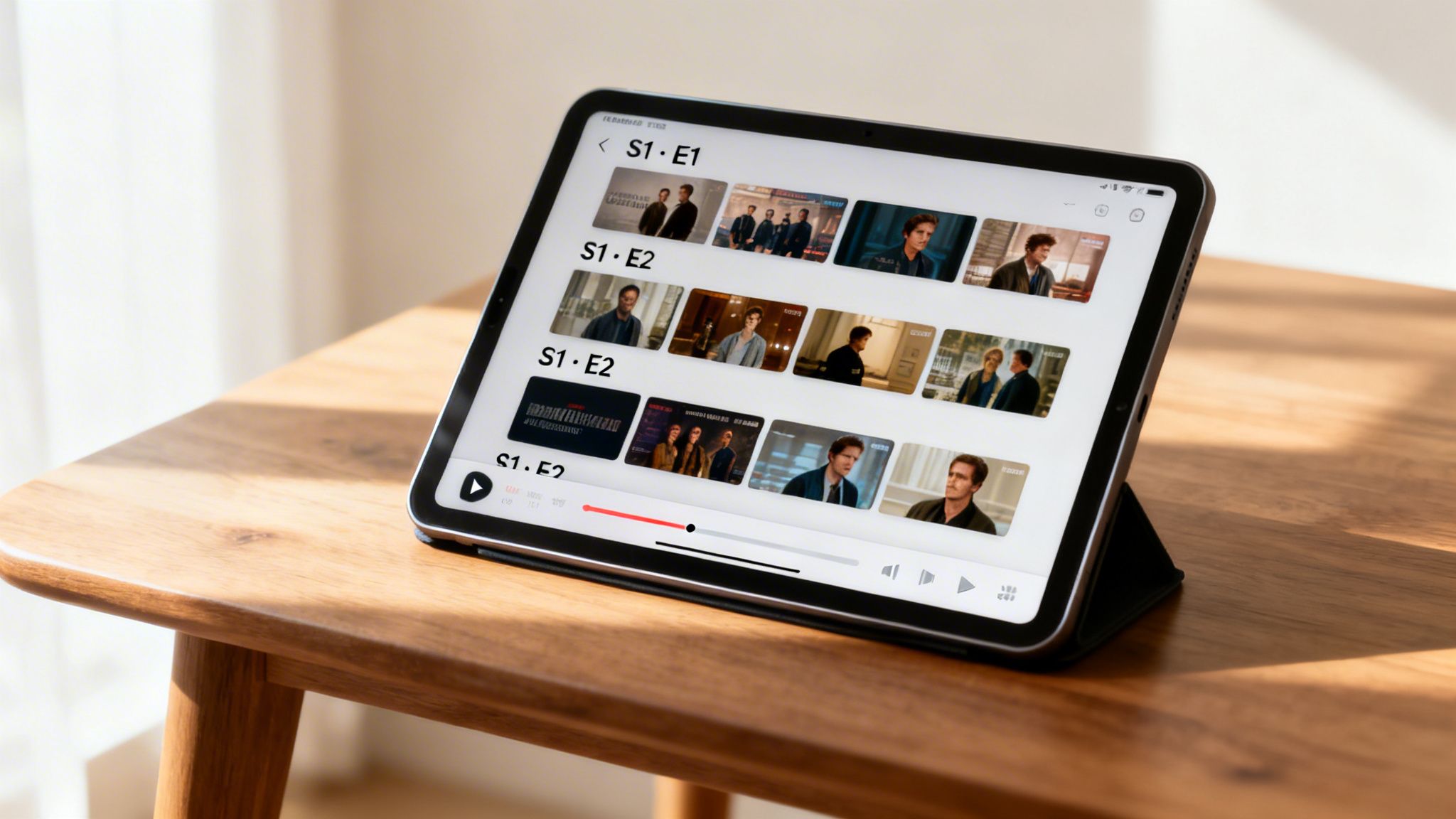
Popularized by streaming giants like Netflix, this episodic format is incredibly effective for short-form video. Think of a true crime "Deep Dive" released in five parts, an educational "Coding Fundamentals" micro-series, or a fictional story with recurring characters and cliffhanger endings. The goal is to make the next video an irresistible click by creating anticipation and continuity. This strategy shifts your content from being disposable entertainment to a destination series that viewers actively seek out, which is a cornerstone of the best practices for video marketing.
How to Implement a Series and Playlist Strategy
To execute this effectively, you must plan your content arc in advance rather than creating episodes on the fly. This ensures a cohesive narrative and prevents you from abandoning a series midway through.
Here are actionable steps to integrate this into your workflow:
- Plan Your Arc: Before recording, outline a 4-8 episode arc. This ensures you have a complete story or lesson plan and can produce content in batches for consistency. Tools like ClipCreator.ai are ideal for batch-producing an entire series with uniform branding.
- Establish Clear Naming Conventions: Title your videos logically, such as "Case Study X: Part 1," "Finance Basics: Ep 2," or "The Haunting: Chapter 3." This makes it easy for viewers to find the next installment.
- Create Binge Triggers: End each video with a strong call-to-action or a teaser for the next episode. A verbal cue like "In the next video, we'll uncover..." or a visual preview can dramatically increase the binge rate.
- Organize with Playlists: On YouTube, compile all series episodes into a dedicated, sequentially ordered playlist. Link to this playlist in your descriptions and end screens to facilitate seamless viewing. On TikTok, use the playlist feature to group related videos.
- Track Binge-Rate Metrics: Analyze your analytics to see what percentage of viewers continue to the next episode. A high drop-off rate between episodes signals a weak cliffhanger or a disconnect in the narrative.
Top 10 Video Marketing Best Practices Comparison
| Strategy | Complexity & Process 🔄 | Resources & Efficiency ⚡ | Expected Outcomes 📊 | Ideal Use Cases 💡 | Key Advantages ⭐ |
|---|---|---|---|---|---|
| Hook-First Content Strategy (The First 3 Seconds Rule) | Moderate — requires creative testing and rapid iteration | Low–Moderate production; high creative ideation; measurable via A/B | Higher CTR & completion; boosts algorithmic reach (⭐️⭐️⭐️⭐️) | Short-form platforms where swipe rates are high (TikTok, Reels, Shorts) | Grabs attention immediately; directly increases viral potential |
| Niche-Specific Storytelling and Proven Template Models | Low — repeatable process once templates defined | Low ongoing effort; initial template design and standardization | Consistent completion rates; predictable performance (⭐️⭐️⭐️) | Niche channels (Reddit horror, true crime, motivational) | Scalable production; audience familiarity improves retention |
| Consistent Upload Scheduling and Posting Frequency Optimization | Moderate — disciplined workflow and batching required | Moderate–High output capacity; scheduling tools reduce overhead | Improved algorithm favorability & audience habit formation (⭐️⭐️⭐️) | High-volume creators and channels aiming for momentum | Builds steady reach and reduces reliance on single viral hits |
| Faceless Video Production with Authentic Voiceover | Moderate — emphasis on audio/visual sync and tone consistency | Low equipment cost; investment in quality voiceover & assets | Scalable output; decent retention but weaker parasocial bonds (⭐️⭐️) | Creators avoiding on-camera presence; narration-driven formats | Low barrier to entry; consistent brand voice without on-screen talent |
| Platform-Specific Optimization & Multi-Platform Publishing | High — requires tailoring per algorithm and format | Higher time investment; tools to adapt aspect ratio/length/metadata | Maximized reach across platforms; diversified audience (⭐️⭐️⭐️⭐️) | Creators targeting multiple platforms for breadth (TikTok, Shorts, Reels) | Better per-platform performance; reduced single-platform risk |
| Data-Driven Content Iteration Based on Analytics | Moderate — systematic review and hypothesis testing | Requires analytics tools, tracking spreadsheets, testing cadence | Faster identification of winners; reduced content waste (⭐️⭐️⭐️⭐️) | Channels scaling via optimization and repeated testing | Removes guesswork; enables reproducible growth decisions |
| Trend Awareness & Timely Content Execution (Rapid Response) | High — fast decision-making and rapid production needed | High agility; trend-monitoring tools and rapid asset generation | Potential for rapid viral spikes; short-lived gains (⭐️⭐️⭐️) | Newsy or trend-sensitive niches; short windows for relevance | First-mover advantage; significantly amplified initial reach |
| Authentic Engagement & Community Building | High — ongoing, time-intensive interpersonal process | High time commitment for comments/moderation; community tools help | Strong loyalty and defensible audience; sustained retention (⭐️⭐️⭐️⭐️) | Creators investing in long-term audience relationships | Builds durable audience, feedback loop for content ideas |
| Strategic Keyword Optimization & Discoverability | Moderate — research + iterative metadata optimization | Moderate effort; keyword tools, transcripts, and captioning | Improved search and discoverability over weeks/months (⭐️⭐️⭐️) | Evergreen content and search-driven niches on YouTube/Google | Increases organic discoverability and long-term traffic |
| Series & Playlist Strategy for Binge-Watching | Moderate — requires upfront planning and episodic consistency | Moderate–High planning; batch production recommended | Higher total watch time and binge behavior (⭐️⭐️⭐️⭐️) | Serialized content, educational arcs, story-driven channels | Encourages multi-video sessions; boosts watch-time metrics |
Automate Your Strategy, Amplify Your Growth
Mastering the art and science of short-form video is no longer a luxury for creators and brands; it's a fundamental requirement for digital relevance. Throughout this guide, we've deconstructed the essential components that transform sporadic video efforts into a predictable, high-impact growth engine. From the critical importance of a powerful three-second hook to the long-term value of a binge-worthy content series, each practice serves a distinct purpose in your strategic arsenal.
You now have a comprehensive blueprint covering the entire content lifecycle. We’ve explored how to anchor your content in niche-specific storytelling, leverage faceless production for scalability, and optimize every video for discoverability across multiple platforms. We've highlighted the non-negotiable role of data in refining your approach and the power of authentic engagement in building a dedicated community. Implementing these best practices for video marketing is the definitive path to cutting through the noise and achieving sustainable success.
From Blueprint to Reality: The Implementation Challenge
The gap between knowing what to do and actually doing it consistently is where most content strategies falter. The demands are relentless: ideate, script, record, edit, optimize, publish, analyze, and engage, all while staying ahead of trends. This operational bottleneck is the single greatest barrier to growth. You can have the perfect strategy, but without a system for consistent execution, momentum is impossible to maintain.
This is precisely where the modern creator's toolkit must evolve. The goal isn't just to work harder but to work smarter by building a content machine that operates efficiently and at scale. Your most valuable assets are your strategic vision and your unique voice, not the hours spent on repetitive production tasks.
The Force Multiplier: Bridging Strategy and Execution
The true takeaway from this extensive list of best practices is that success is systemic. It's not about one viral video but about building an interconnected system where each element supports the others.
Consider the compounding effect of these strategies working in unison:
- Hook-First Strategy + Trend Awareness: Grabs immediate attention while capitalizing on current cultural conversations.
- Faceless Production + Consistent Scheduling: Enables high-volume, quality output without the bottleneck of on-camera appearances.
- Data-Driven Iteration + Series Strategy: Uses performance metrics to refine binge-worthy content that audiences actively seek out.
- Keyword Optimization + Authentic Engagement: Improves discoverability while building a loyal community that amplifies your reach.
Implementing these practices manually is a significant undertaking, requiring immense time and resources. However, the next frontier in content creation involves leveraging intelligent automation to handle the heavy lifting, freeing you to focus on the creative and strategic elements that only a human can provide. By systemizing production, you're not just creating content; you're building a scalable media asset. This is how you move from being a content creator to a content leader in your niche. Embracing these best practices for video marketing and pairing them with smart automation is the ultimate recipe for not just participating in the creator economy, but defining its future.
Ready to turn these best practices into an automated reality? Stop the content grind and start building your video empire with ClipCreator.ai, the AI-powered tool designed to handle everything from scripting to final video creation. Transform your ideas into a consistent stream of high-quality, engaging short-form videos and reclaim your time to focus on what truly matters: your growth.

Create your first video in under 2 minutes
Pick a niche, and ClipCreator.ai generates and auto-posts faceless videos to your channels every day.
Join ClipCreator.ai